
Motorbike Rental Guides
How to Compare Two Hanoi Motorbike Rental Quotes Line by Line
About 14 minutes to read
You have messaged two motorbike rental shops in Hanoi and both replied with a price. One says 120,000 dong a day, the other says 150,000. If your decision stops at that number, you are not comparing two quotes yet, you are comparing two sentences, and in this business the sentence is usually the smallest part of the truth. Two identical-looking daily rates can end up costing two different amounts, carrying two different deposits, and leaving you with two completely different experiences when something goes wrong.
This guide breaks a rental quote into its actual lines, shows you what each line really means, and gives you a simple worksheet method for putting two offers side by side so the better deal reveals itself. It takes about twenty minutes to do properly, which is roughly the cost of one wrong decision in Hanoi traffic.
Why the Daily Rate Is the Least Important Number
Compare the written quotes for the exact model, dates and route rather than assuming a single market-wide price band. Motorbike Nguyen Ha’s published daily rental range is 150,000–200,000 VND; confirm the available bike and total for your booking. Other providers may quote different rates. Delivery, deposits, fuel rules, breakdown support and repair responsibilities should each be stated separately so the headline rate does not hide the full terms.
So the daily rate matters, but as a starting coordinate, not as a verdict. A quote that looks 30,000 dong cheaper can be the more expensive rental the moment it arrives with a passport-only deposit, a 4,000,000 dong security hold and no support line. The method below is how you see that before you pay, not after.
Collect Both Quotes the Same Way
Comparing two quotes only works if the quotes answer the same questions. If you asked Shop A about delivery to your hotel and never mentioned it to Shop B, the comparison is rigged from the start. The cleanest approach is to send both shops an identical message, so every number you get back sits in the same frame. For booking options, compare our Hanoi motorbike rental page and Hanoi rental rates and deposit guide, then request a quote for your exact bike and dates.
Hello, I would like to rent a motorbike and compare offers. My details:

- Dates: from [start date] to [end date], [number] days
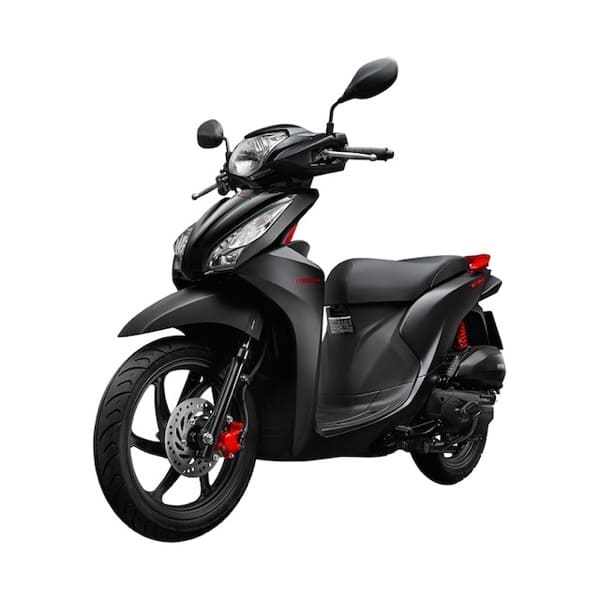
- Bike: an automatic scooter, something like a Honda Vision or Air Blade
- Use: [riding in Hanoi / a trip to [destination]]
- Riders: [one / two people on one bike]
- Delivery: to [hotel name], [district], if you offer it

Please quote me the full price for that period, and please include:
1. The exact bike model I would get
2. What the price includes (helmets, delivery, phone holder, luggage rack, rain coats)
3. Any fees not included in the daily rate
4. The deposit amount and what form you accept (cash, passport, photocopy)
5. What happens if the bike has a breakdown or a flat tire
6. Whether I can take the bike [outside Hanoi / to [destination]]

Thank you!
Send it to both shops, ideally the same afternoon so prices reflect the same day’s availability. Good shops answer all six points in their first reply. The way they answer, complete and precise versus vague and annoyed, is itself the first line of your comparison, because it previews exactly how they will communicate when a real problem appears mid-rental.
The Seven Lines of a Hanoi Rental Quote
Take the two replies and lay them against these seven lines. Most disagreements between quotes live entirely inside one or two of them.
Line 1: The Bike Itself
“Automatic scooter” is a category, not a bike. One shop’s 120,000 dong scooter may be a tired eight-year-old workhorse, while another’s 150,000 dong quote is a recent-model Honda Vision that starts on the first press and brakes the way brakes should. Within the same category, ask for the model and the rough year or condition, and treat a quote that refuses to name the bike as a quote that is hiding its weakest asset. If you can visit both shops before committing, ten seconds of squeezing the levers and looking at the tires tells you more than any chat message.
Line 2: What the Daily Rate Includes
This is where identical rates quietly become different prices. Check line by line:
- Helmets: almost always included, but confirm how many and what condition.
- Delivery and pickup: sometimes free in central districts, sometimes a fee per direction, sometimes “free” only above a minimum rental length. A delivery fee each way can add a full day’s rate to a short rental.
- Accessories: phone holders, USB chargers, luggage racks, rain covers and tie-down straps are commonly free, occasionally charged. Ask once, in writing.
- Mileage: most city rentals are unlimited; a few touring-bike rentals cap daily distance. Know which you are looking at.
- Long-period discounts: weekly and monthly rates are usually lower per day than the quoted daily rate. If you are renting five days or more, ask both shops for the weekly price before comparing anything else.
Line 3: The Deposit
Compare deposits separately from the daily rate. Motorbike Nguyen Ha’s published security deposit range is 2,000,000–5,000,000 VND; confirm the exact amount for the selected bike and your booking. Other shops may use different amounts and conditions. Compare three things: the amount, the accepted form and the written refund conditions.
- Amount. A bigger deposit is not a better deal, it is a bigger hostage.
- Form. Cash refundable at handover, card pre-authorization hold that releases automatically, or your original passport. The first two are normal practice; the third is a risk you should generally refuse, and plenty of shops accept a passport photocopy plus cash instead.
- Refund terms. At handover on the spot, or “later”? In the currency you paid in? The refund rule belongs on the quote line, and a shop that will not write it down before you pay is telling you what the return will feel like.
Line 4: Fuel and Running Costs
Rental bikes in Hanoi are typically handed over with a partial tank, and fuel is yours to buy during the rental. That is normal and roughly equal between shops. What differs is the return rule: same level as pickup, or full tank. Fill-to-full with a shop that handed you a quarter tank is a small gift you did not plan on giving. Also remember the fuel economy line you cannot see in the quote: a newer 125cc scooter can use noticeably less fuel per day than an old, overloaded bike, which nibbles at a rate gap over a week.
Line 5: Support When Something Goes Wrong
The most valuable line in any quote is the one no price can represent. Ask both shops the same support question and compare the answers:
- Breakdown policy: what happens with a flat tire, a dead battery or a mechanical failure? Is there a phone number to call, a replacement bike, or advice to find a local mechanic and send the receipt?
- Who pays: normal wear and mechanical failures should be the shop’s cost; crash damage is yours. Shops that dodge this question are reserving the right to decide later, at the return, with your deposit on their table.
- Repair and damage charges: do not rely on generic parts-price estimates. Ask how damage is documented, who approves repairs, which receipts are supplied, and how any deposit deduction is calculated under the written rental agreement.
Line 6: The Boundaries of the Rental
Quotes carry invisible fences, and walking through one is expensive. The two most common: geography, some city rentals restrict their cheaper bikes to Hanoi and nearby provinces, while touring bikes are rented precisely for long trips, and the schedule, rental days are usually counted per 24 hours, and a late return can legitimately cost a fee or another day because the bike is reserved for the next renter. If your plan involves Ninh Binh, Mai Chau or Ha Giang, the geographic line is not a detail. A cheaper quote that forbids your actual route is not a cheaper quote; it is a rejected rental that has not been rejected yet.
Line 7: The Shop Behind the Number
Finally, compare the two businesses. Recent reviews that mention the return experience rather than just the pickup, a written contract and receipt offered without ceremony, an office or storefront you can physically find, and staff who answer a detailed message in full rather than with “ok, price 120”. None of this is decoration; each item predicts how the deposit conversation will go when you hand the bike back. A quote that is 30,000 dong higher but comes from a shop that photographs its own bikes at handover and issues receipts is, on almost any week-long rental, the better deal.
The Side-by-Side Worksheet
Now put the two quotes into the same table. Copy this structure into your notes, fill one column per shop, and score each line as you go. The winner is rarely the one you expected from the daily rates alone.
| Line | Shop A | Shop B |
|---|---|---|
| Bike model and condition | [model, year/condition] | [model, year/condition] |
| Daily rate and total for my dates | [total for N days] | [total for N days] |
| Delivery / pickup fees | [amount, per direction] | [amount, per direction] |
| Included extras (helmets, holder, rack) | [list] | [list] |
| Deposit: amount / form / refund rule | [all three] | [all three] |
| Fuel rule | [same level / full tank] | [same level / full tank] |
| Breakdown support and who pays | [written answer?] | [written answer?] |
| Geographic limits and late-return policy | [limits] | [limits] |
| Receipt and contract offered? | [yes/no] | [yes/no] |
Notice what this table does. It forces both shops onto the same lines, it makes missing answers visible as empty cells instead of comfortable silences, and it moves the decision from “which number is smaller” to “which rental is better”. An empty cell is a finding: whatever a shop will not put in writing before you pay, you will be negotiating from memory after.
A Worked Example: Two Realistic Quotes
Here is how the method plays out with two plausible quotes for the same five-day rental, delivered to a hotel in the Old Quarter.
Shop A answers quickly: a scooter at 120,000 VND per day, 600,000 VND for five days, delivery 50,000 VND each way. Total: 700,000 VND. Helmets included, phone holder included. Deposit: 3,000,000 VND or your passport, refundable “when you bring the bike back”. No mention of breakdowns.
Shop B answers with a longer message: a Honda Vision at 150,000 VND per day, 750,000 VND for five days, delivery and pickup included free in their central-district zone. Deposit: 2,000,000 VND in cash or passport photocopy, refunded at handover in the same currency. One flat tire or mechanical failure covered on the spot, a support phone number for anything bigger, and a receipt for the deposit at pickup.
The daily-rate reflex says Shop A wins by 50,000 VND, about two dollars across the entire rental. The worksheet says something else:
- Total cost: 700,000 VND against 750,000 VND. The real gap is 50,000 VND over five days, not a meaningful difference.
- Deposit risk: 3,000,000 VND or a passport with an undefined refund rule, versus 2,000,000 in cash with a written refund-at-handover rule. Shop B holds 1,000,000 VND less of your money and none of your documents.
- Support: silence versus a written breakdown policy. If one flat tire in Ninh Binh is resolved at local cost by Shop B’s policy and becomes a negotiation with Shop A, the two-dollar saving is gone several times over.
- Paperwork: “refundable when you bring it back” versus a receipt. The second sentence survives your departure from Hanoi; the first one does not.
This is the shape of most real comparisons in Hanoi: the visible price gap is tiny, and the invisible differences are decisive. When the worksheet and the daily rate disagree, trust the worksheet.
When the Cheapest Quote Is the Most Expensive
A few patterns show up again and again, and they almost always hide inside the cheapest quote on the screen:
- A price clearly below the normal band. Rates meaningfully cheaper than the market for the same class of bike have to be recovered somewhere: a deposit that is hard to reclaim, invented damage fees at return, or a bike that spends your holiday in a repair shop. A standard scooter quoted far below the usual range is not a bargain, it is a business model.
- Everything settled verbally. No contract, no receipt, no chat confirmations. Whatever was promised, only you will remember it.
- Deposit only in passport. Not just a risk to your document; it is also leverage against you at the return, when the shop holds both the bike’s fate and your travel plans.
- Vague geography. “No problem, you can go anywhere”, said casually, often becomes “you violated the contract” the moment you actually ride to Ha Giang on a city bike that was never fit for the trip. Get the route confirmed in writing, or rent the bike that fits the route.
How to Ask for a Missing Line
Sometimes a promising quote skips a line. Do not guess it or generously assume it. One short follow-up fills the gap and tests the shop’s character at the same time:
Thanks for the quote. Two things are not clear yet:

1. Please confirm the deposit refund rule: [amount] returned in cash at handover, in the same currency I paid?
2. If the bike has a flat tire or a breakdown during my rental, what is your policy and who covers the cost?

Once I have these two answers I can confirm the booking today.
The final sentence is doing real work: it tells the shop that the booking exists on the other side of two written answers. Serious shops reply within the hour. Shops that were planning to improvise on those exact topics at your return will go quiet, and you have just saved yourself a deposit.
FAQ
Should I just choose the cheapest daily rate?
No. In Hanoi, daily rates for the same class of scooter sit close together, so the cheapest rate is rarely a meaningful saving, while deposit size, refund terms, delivery fees and breakdown support swing the real cost far more. Compare totals for your exact dates, then compare the risk lines, then decide.
How do I make sure both quotes are actually comparable?
Send both shops the identical message with the same dates, bike class, rider count, delivery location and route, ideally the same afternoon. Then lay the answers into the same worksheet, one line at a time. Identical questions produce comparable answers; improvised questions produce two different conversations.
What lines matter most for a multi-day trip outside Hanoi?
Geographic limits, the bike’s suitability for the route, and the breakdown policy. A city rental restricted to Hanoi and nearby provinces cannot legally or practically carry your Ha Giang loop, and support distance is everything once you leave the city. These lines decide the trip; the daily rate merely decorates it.
How much deposit difference is normal between two shops?
There is no single deposit difference to assume across two providers. Motorbike Nguyen Ha publishes a 2,000,000–5,000,000 VND range; ask each shop for its exact amount, accepted form, possible deductions, refund timing and method for the bike you will receive. Compare the complete conditions, not just which shop holds less money.
Is a passport deposit worth accepting for a lower price?
Generally no. Handing over your original passport gives the shop leverage over the most important document you carry, for a saving that is usually the price of a meal. Many shops accept a passport photocopy or photo plus cash, and a quote conditioned on the original passport should count as a minus on that line, whatever the rate says.
What if one shop will not put things in writing?
Treat that as an answer, not an obstacle. A quote that exists only in conversation has no value at the return, when memory is the only proof. Either get the key points confirmed in the chat before paying, or move on; Hanoi has no shortage of shops that write things down happily.
Can I negotiate after comparing quotes?
You can, but negotiate where the room actually is: weekly and monthly rates, delivery fees, or the deposit form. Haggle politely rather than hard on a one-day city rental, where margins are thin and goodwill is worth more than 20,000 dong. Mentioning that you are comparing two shops is fair and often improves the offer more than any bargaining script.
How many shops should I compare?
Two is enough to reveal the differences; three confirms the pattern. Beyond that, the comparison itself starts costing more time than the decision is worth. Run two or three shops through the identical message and the worksheet, and choose. The method matters more than the sample size.
A Short Closing Note
Comparing two quotes in Hanoi is not about finding the smallest number; it is about finding the smallest total risk for a fair total price. Ask both shops identical questions, lay the answers on the same seven lines, total your exact dates, weigh the deposit terms, demand the support policy in writing, and let the daily rate take its proper place as the least important line on the page. Twenty minutes of comparison, and you will book the rental that ends well, which is the only kind of rental worth booking.