Blog
Adventure on a Sport Bike in Vietnam: Tips and Rental Guide
About 14 minutes to read
Introduction: Why Choose a Sport Bike Adventure in Vietnam?
This guide is focused on sport bike adventure and rental planning in Vietnam: choosing a suitable motorcycle, preparing for longer rides, understanding the main requirements to verify, and matching routes to your experience. For Vietnam-wide sport motorcycle rental options, see our Hanoi sport bike rental guide. For Hanoi-specific rental options, see our Hanoi sport bike rental guide.
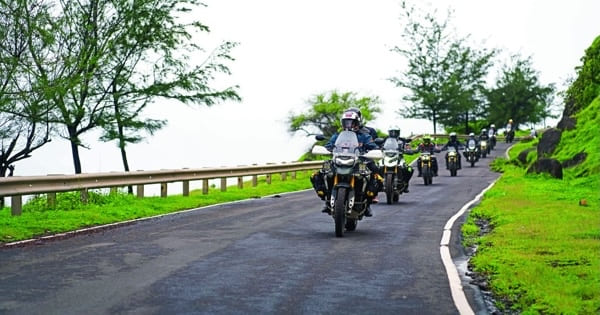
Vietnam has diverse landscapes, winding mountain passes, coastal roads, and major cities that can appeal to experienced motorcycle travelers.
Whether you’re an experienced rider or someone looking to explore Vietnam’s beauty on two wheels, a sport bike adventure promises unforgettable memories. This comprehensive guide will help you navigate everything from choosing the right bike to understanding local traffic laws and discovering the best routes.
Understanding Sport Bikes in Vietnam
What Defines a Sport Bike?
Sport bikes, also known as sportbikes or supersport motorcycles, are high-performance motorcycles designed for speed, acceleration, and cornering on paved roads. In Vietnam, the term encompasses various models from 150cc street bikes to powerful 1000cc superbikes.
Popular Sport Bike Models Available for Rent
Vietnam’s rental market offers a diverse range of sport bikes:
Entry-Level Sport Bikes (150-300cc)
- Yamaha R15
- Honda CBR150R
- KTM Duke 200
- Kawasaki Z250
Mid-Range Sport Bikes (400-650cc)
- Kawasaki Ninja 400
- Honda CB500X
- Yamaha MT-07
- Suzuki GSX-S750
High-Performance Sport Bikes (750cc+)
- Yamaha R1
- Honda CBR1000RR
- Kawasaki Ninja ZX-10R
- Ducati Panigale V2
Legal Requirements and Documentation
International Driving Permit (IDP)
Your legal eligibility to ride a sport bike in Vietnam depends on the vehicle category and the licence or permit recognised for your circumstances. Check the current consolidated Road Traffic Order and Safety Law and confirm that every document and category matches the bike before booking.
Vietnamese Motorcycle License
Do not rely on length of stay alone to decide whether a Vietnamese licence is available or required. Ask the competent licensing authority about the current eligibility, document and testing requirements for your status.
Required Documents for Rental
When renting a sport bike, rental companies typically require:
- Valid passport
- A licence or permit recognised in Vietnam with the category required for the selected bike
- Security deposit (varies by bike value)
- Proof of travel insurance
- Hotel booking confirmation
- Emergency contact information
Insurance Considerations
Rental and insurance terms vary. Read the agreement and any policy that actually applies to the bike; ask the insurer whether separate cover is available for:
- Comprehensive motorcycle insurance
- Medical evacuation coverage
- Third-party liability insurance
- Personal accident insurance
Finding Reliable Sport Bike Rental Services
Do not assume any particular provider in Hanoi, Ho Chi Minh City, Da Nang or Nha Trang has a given high-performance motorcycle available today. Verify the exact vehicle and operator before making travel plans.
How to Evaluate a Rental Provider
- Check a genuine contact method, business location and recent independently verifiable reviews.
- Ask for the actual make, model, registration, engine capacity, current condition and availability.
- Confirm your valid motorcycle licence category and whether the proposed roads and route are permitted.
- Request a written total for the rental period, deposit, return conditions and any additional expenses.
- Ask which insurance terms, protective equipment and recovery or roadside support actually apply.
Do not assume 24/7 emergency help, free premium gear, fixed USD rates or guaranteed weekly/monthly discounts. For nationwide comparisons consult the Vietnam sport motorcycle rental guide; for local checks see the Hanoi sport-bike rental overview. Neither page confirms that a specific sport bike is currently stocked by Nguyễn Hà.
Pre-Ride Inspection Checklist
Before accepting any rental sport bike, conduct a thorough inspection:
sport bike adventure in Vietnam
Mechanical Components
Engine and Performance
- Start the engine and listen for unusual noises
- Check oil levels and quality
- Test throttle response
- Verify coolant levels
Braking System
- Test front and rear brakes
- Check brake fluid levels
- Inspect brake pads for wear
- Ensure no brake line leaks
Tires and Suspension
- Check tire tread depth
- Inspect for cracks or damage
- Verify proper tire pressure
- Test suspension for smoothness
Electrical System
- Test all lights (headlight, taillight, indicators)
- Check horn functionality
- Verify gauge cluster operation
- Test kill switch
Documentation and Accessories
- Verify registration papers are current
- Check insurance documents
- Ensure tool kit is complete
- Confirm spare key availability
- Document existing damage with photos
Essential Safety Gear
Helmet Selection
Vietnam’s tropical climate requires careful helmet consideration:
Full-Face Helmets Provide maximum protection and are recommended for sport bike riding. Look for:
- DOT or ECE certification
- Good ventilation system
- Anti-fog visor
- Comfortable fit with proper sizing
Modular Helmets Offer versatility with flip-up chin bars, combining protection with convenience for stops.
Protective Clothing
Riding Jackets
- Mesh jackets for ventilation in hot weather
- Built-in armor at shoulders, elbows, and back
- High-visibility colors for safety
- Water-resistant materials for unexpected rain
Riding Pants
- Abrasion-resistant materials
- Knee and hip armor
- Comfortable fit for long rides
- Breathable fabric for tropical climate
Gloves
- Full-finger design with knuckle protection
- Good grip in wet conditions
- Touch-screen compatible fingertips
- Ventilated palms
Footwear
- Ankle-high motorcycle boots
- Non-slip soles
- Toe and ankle protection
- Water-resistant materials
Additional Safety Equipment
- Back protector for extra spine protection
- Hydration pack for long rides
- First aid kit
- Emergency contact card
- Reflective vest for night riding
Best Sport Bike Routes in Vietnam
Northern Vietnam Routes
Ha Giang Loop (350-400km)
This legendary route is Vietnam’s most spectacular motorcycle journey:
- Duration: 3-4 days
- Difficulty: Advanced
- Highlights: Ma Pi Leng Pass, Dong Van Karst Plateau, ethnic minority villages
- Best season: September to November, March to May
- Road conditions: Winding mountain roads with sharp curves
Northwest Loop (800-1000km)
A comprehensive northern adventure:
- Duration: 7-10 days
- Difficulty: Intermediate to Advanced
- Highlights: Mu Cang Chai rice terraces, Sapa, Dien Bien Phu
- Best season: September to October for rice terraces
- Road conditions: Mix of good highways and challenging mountain passes
Ba Be Lake Circuit (400km)
A more accessible northern route:
- Duration: 2-3 days
- Difficulty: Beginner to Intermediate
- Highlights: Ba Be National Park, waterfalls, caves
- Best season: Year-round, avoid July-August monsoon
- Road conditions: Generally good with scenic countryside
Central Vietnam Routes
Hai Van Pass Coastal Route (100km)
The iconic Top Gear route:
- Duration: 1 day (Can extend to 3-4 days)
- Difficulty: Beginner to Intermediate
- Highlights: Hai Van Pass, Lang Co Beach, Hue to Da Nang coastal road
- Best season: February to August
- Road conditions: Excellent paved roads with sweeping curves
Central Highlands Loop (600-800km)
Coffee country adventure:
- Duration: 5-7 days
- Difficulty: Intermediate
- Highlights: Dalat, Buon Ma Thuot, Pleiku, waterfalls
- Best season: November to April
- Road conditions: Good roads with moderate traffic
Hoi An to Hue via Bach Ma (200km)
Cultural and natural combination:
- Duration: 2-3 days
- Difficulty: Intermediate
- Highlights: Bach Ma National Park, Lagoons, Imperial City
- Best season: February to July
- Road conditions: Mountain roads with good surfaces
Southern Vietnam Routes
Saigon to Mui Ne Coastal (250km)
Perfect weekend getaway:
- Duration: 2-3 days
- Difficulty: Beginner
- Highlights: Sand dunes, fishing villages, beaches
- Best season: November to March
- Road conditions: Excellent highway with coastal views
Mekong Delta Circuit (400-600km)
Cultural immersion route:
- Duration: 3-5 days
- Difficulty: Beginner
- Highlights: Floating markets, fruit orchards, river crossings
- Best season: December to April
- Road conditions: Flat terrain with many ferry crossings
Southern Coast to Phu Quoc (800km)
Beach hopper’s dream:
- Duration: 7-10 days
- Difficulty: Beginner to Intermediate
- Highlights: Vung Tau, Mui Ne, Nha Trang, Quy Nhon, Phu Quoc Island
- Best season: December to May
- Road conditions: Coastal highway in good condition
Understanding Traffic Patterns
Vietnamese traffic operates differently from Western countries:
Flow Over Rules Traffic flows like water, with vehicles constantly adjusting positions. Rigid adherence to lanes is less common than harmonious movement.
Expect the Unexpected Be prepared for:
- Vehicles entering from side streets without stopping
- Wrong-way traffic on one-way streets
- Sidewalk parking and pedestrian traffic on roads
- Animals crossing unexpectedly
- Street vendors and food carts
Horn Communication Horn usage is communicative rather than aggressive:
- Single beep: “I’m here”
- Double beep: “I’m passing”
- Long honk: “Emergency, please move”
City Riding Techniques
Intersection Navigation
- Slow down at all intersections, even with green lights
- Make eye contact with other road users
- Position yourself visibly
- Use turn signals consistently
Lane Positioning
- Stay in the center of your lane when possible
- Create space buffer around your bike
- Be visible to larger vehicles
- Anticipate sudden stops
Night Riding Precautions
- Ride slower than in daylight so you can stop within the distance your headlight shows
- Watch for unlit vehicles and pedestrians
- Use high beams on rural roads
- Avoid unfamiliar routes after dark
Rural and Mountain Riding
Mountain Pass Strategies
- Check weather conditions before departure
- Start early to avoid afternoon fog
- Take breaks every 50-70km
- Stay hydrated and alert
- Use engine braking on descents
Road Hazard Awareness Common rural hazards include:
- Gravel and sand on corners
- Water buffalo and livestock
- Potholes and road damage
- Construction without warning signs
- Landslides during rainy season
Maintenance and Troubleshooting
Basic Maintenance Checks
Perform daily inspections:
Morning Routine
- Check tire pressure and condition
- Verify chain tension and lubrication
- Test brakes before riding
- Check oil and coolant levels
- Ensure lights function properly
Evening Routine
- Clean and lubricate chain if necessary
- Check for loose bolts or parts
- Inspect tires for damage
- Secure bike in safe location
- Remove valuables
Common Issues and Solutions
Overheating
- Cause: Prolonged slow traffic in hot weather
- Solution: Stop and allow engine to cool, check coolant
- Prevention: Avoid peak traffic hours, take cooling breaks
Electrical Problems
- Cause: Moisture, corrosion, or loose connections
- Solution: Check battery terminals, fuses, and connections
- Prevention: Park undercover, apply dielectric grease
Tire Punctures
- Cause: Road debris, poor road conditions
- Solution: Use repair kit or call roadside assistance
- Prevention: Avoid debris, maintain proper pressure
Finding Repair Services
Major Cities Authorized dealerships and professional mechanics available:
- Hanoi: Ba Trieu Street, Giai Phong Street
- Ho Chi Minh City: Phan Van Tri Street, Cong Hoa Street
- Da Nang: Nguyen Tri Phuong Street
Rural Areas Small repair shops (“xe may” signs) can handle basic repairs:
- Carry contact information from rental company
- Use Google Maps to locate nearby services
- Keep emergency fund for unexpected repairs
Fuel and Costs Management
Plan Fuel for the Actual Motorcycle
Check the manufacturer’s fuel specification and calculate consumption from your proposed distance, route, traffic and current pump price. Do not assume a universal sport-bike tank range or use a fixed USD estimate for fuel.
Check Road Access and Safety
Find lawful fuel stops along the route and verify current road restrictions. Motorcycles are not permitted on many expressways in Vietnam; do not assume a route is usable simply because a navigation app suggests an expressway or toll road.
Budget from Real Quotes
- Rental rate, deposit, pickup and return arrangements for the exact motorcycle.
- Fuel, permitted parking, accommodation and meals based on your travel dates.
- Agreed protective equipment, insurance exclusions and any breakdown procedure.
- Contingency for route changes, weather and delays.
Generic tourism budgets and estimated daily or weekly USD costs are not guaranteed prices. Save receipts, agree on contract terms and do not add or carry spare fuel on a rental without permission and a safe, lawful method.
Accommodation Strategies
Booking Approaches
Advanced Booking
- Popular destinations during peak season
- Ha Giang Loop homestays
- Beachfront resorts
- Holiday periods (Tet, Christmas)
Day-of Booking
- Shoulder season flexibility
- Allows route adjustments
- Potential for better deals
- Access to walk-in specials
Motorcycle-Friendly Accommodations
Look for these features:
Security
- Secure parking or garage
- CCTV coverage
- Guard service
- Locked compounds
Practical Amenities
- Ground floor rooms for easy access
- Gear drying facilities
- Luggage storage
- Early breakfast options
Popular Choices
- Homestays: Personal touch, local insights
- Budget hotels: Affordable, functional
- Boutique hotels: Comfort with character
- Hostels: Social atmosphere, budget-friendly
Cultural Considerations and Etiquette
Respectful Riding Practices
Temple and Religious Site Visits
- Park respectfully away from entrances
- Remove helmet before entering
- Dress modestly (cover shoulders and knees)
- Ask permission before photographing
Rural Communities
- Slow down through villages
- Wave to children and locals
- Minimize noise and dust
- Support local businesses
Environmental Responsibility
- Carry out all trash
- Use designated parking areas
- Respect wildlife and nature
- Stay on marked trails
Interacting with Locals
Language Basics Essential Vietnamese phrases:
- Xin chào (sin chow): Hello
- Cảm ơn (gam un): Thank you
- Xin lỗi (sin loy): Sorry/Excuse me
- Bao nhiêu tiền? (bow nyew tyen): How much?
- Không hiểu (khome hyew): Don’t understand
- Giúp tôi (yoop toy): Help me
Gift Giving Small gestures appreciated in homestays:
- Fresh fruit from markets
- Local snacks or treats
- Postcards from your country
- Modest cash tip
Emergency Preparedness
Emergency Contact Numbers
National Emergency Numbers
- Police: 113
- Fire: 114
- Ambulance: 115
- Tourist hotline: 1900 3266
Rental Company Emergency Line Keep programmed in phone with backup written copy.
Medical Preparedness
First Aid Kit Contents
- Adhesive bandages various sizes
- Antiseptic wipes and cream
- Gauze and medical tape
- Pain relievers
- Anti-diarrhea medication
- Antihistamines
- Sunscreen and lip balm
- Insect repellent
- Personal medications
Medical Facilities
- International hospitals in major cities
- Clinics in provincial capitals
- Pharmacies widely available
- Travel insurance with evacuation coverage recommended
Accident Protocol
Immediate Steps
- Move to safety if possible
- Check for injuries
- Call emergency services if needed
- Contact rental company
- Document scene with photos
- Exchange information with other parties
- Don’t admit fault
Insurance Claims
- Obtain police report if required
- Collect witness information
- Document all damage thoroughly
- Keep all receipts
- Follow the reporting deadline and evidence requirements stated in the applicable policy
Weather Considerations
Seasonal Overview
Dry Season (November to April)
- Best riding conditions
- Clear mountain views
- Minimal rain interruptions
- Higher accommodation prices
- More tourists on popular routes
Rainy Season (May to October)
- Afternoon thunderstorms common
- Slippery roads require caution
- Fewer tourists, better deals
- Lush green landscapes
- Northern mountains may be foggy
Regional Weather Patterns
Northern Vietnam
- Winter (Dec-Feb): Cool, can drop to 10°C in mountains
- Spring (Mar-Apr): Pleasant, ideal for riding
- Summer (May-Aug): Hot and humid, heavy rains
- Autumn (Sep-Nov): Cool, clear, best season
Central Vietnam
- Dry season: Feb-Aug
- Rainy season: Sep-Jan
- Typhoon risk: Sep-Nov
- Temperature relatively stable year-round
Southern Vietnam
- Dry season: Dec-Apr
- Rainy season: May-Nov
- Hot year-round (25-35°C)
- Brief afternoon showers in wet season
Rain Riding Techniques
Preparation
- Quality rain gear essential
- Waterproof luggage covers
- Anti-fog visor treatment
- Plan shorter daily distances
Riding Adjustments
- Ride more slowly than you would on dry roads
- Increase following distance
- Avoid road markings (slippery)
- Watch for potholes hidden in puddles
- Take extra breaks
Photography and Content Creation
Best Photo Opportunities
Scenic Viewpoints
- Ma Pi Leng Pass lookout
- Hai Van Pass summit
- Mu Cang Chai rice terraces
- Lang Co Bay viewpoint
- Phong Nha cave systems
Cultural Moments
- Local markets (early morning)
- Traditional festivals
- Ethnic minority villages
- Coffee plantations
- Rice harvesting seasons
Action Photography Tips
Bike Photography
- Golden hour lighting (sunrise/sunset)
- Include environmental context
- Use leading lines in roads
- Capture motion with panning shots
- Detail shots of bike elements
Safety Considerations
- Never photograph while riding
- Use secure mounting systems
- Stop in safe locations
- Respect private property
- Ask permission for people photos
Sustainable and Responsible Touring
Environmental Practices
Minimize Impact
- Stick to established roads and trails
- Pack out all garbage
- Use refillable water bottles
- Choose eco-friendly accommodations
- Support sustainable tourism businesses
Carbon Offset Consider offsetting your trip:
- Plant trees through local programs
- Support environmental NGOs
- Choose fuel-efficient bikes
- Combine destinations efficiently
Supporting Local Communities
Ethical Tourism
- Stay in locally-owned accommodations
- Eat at family-run restaurants
- Buy handicrafts directly from artisans
- Hire local guides when appropriate
- Pay fair prices without excessive bargaining
Community Guidelines
- Respect local customs and traditions
- Dress appropriately
- Ask before photographing people
- Learn basic Vietnamese phrases
- Be patient and understanding
Returning Your Rental Bike
Pre-Return Inspection
Cleaning
- Wash bike before return
- Clean mirrors and windscreen
- Remove personal items
- Check storage compartments
Damage Assessment
- Review condition with rental staff
- Reference initial photos
- Discuss any new damage honestly
- Understand repair costs
Final Documentation
Settlement Process
- Review rental agreement
- Check for unexpected charges
- Verify deposit return amount
- Request receipt for all payments
- Leave honest review
Extending Your Rental
- Contact rental company in advance
- Renegotiate rates for extensions
- Confirm whether any applicable insurance remains valid for the extension
- Adjust return location if needed
Conclusion: Making the Most of Your Sport Bike Adventure
Vietnam offers sport bike enthusiasts an incredible canvas for adventure. From the dramatic mountain passes of the north to the pristine coastlines of the center and the lush delta regions of the south, every kilometer reveals something extraordinary.
Success in motorcycle touring here comes from preparation, respect for local conditions, and openness to the unexpected. The combination of proper equipment, legal compliance, safety awareness, and cultural sensitivity creates the foundation for an unforgettable journey.
Whether you’re carving through the curves of Ha Giang, cruising the Hai Van Pass, or exploring hidden coastal roads, Vietnam’s diversity ensures that every ride offers new discoveries. The country’s developing infrastructure, combined with its raw natural beauty and welcoming people, creates a unique environment for motorcycle exploration.
Start planning your Vietnamese sport bike adventure today. Research routes that match your skill level, connect with reputable rental companies, prepare appropriate gear, and approach your journey with both excitement and respect. The roads of Vietnam await, promising memories that will last a lifetime.
Remember that the journey itself is the destination. Take time to stop, interact with locals, sample street food, capture photographs, and immerse yourself in the experience. Your sport bike adventure in Vietnam isn’t just about the riding—it’s about discovering a country, its people, and perhaps something new about yourself along the way.
Safe travels, and enjoy every twist and turn of your Vietnamese sport bike adventure!