Blog
Hanoi Electric Bike Rental: Requirements & Conditions for Renters

About 20 minutes to read
Hanoi Electric Bike Rental Requirements: Licensing, Documents & Conditions
Hanoi, Vietnam’s bustling capital city, has witnessed a significant transformation in urban mobility over recent years. Electric bikes have emerged as one of the most popular and eco-friendly transportation options for both locals and tourists exploring the city’s vibrant streets.
The growing demand for electric bike rentals in Hanoi reflects a broader shift toward sustainable transportation solutions. These vehicles offer an ideal balance between convenience, affordability, and environmental consciousness.
Whether you’re a tourist planning to explore Hanoi’s ancient streets or a resident seeking an alternative to traditional motorbikes, understanding the requirements and conditions for renting electric bikes is essential.
This guide is the requirements and conditions support page for electric bike rentals in Hanoi. It explains how to verify the vehicle’s legal classification, identification and licensing questions, rental terms, deposits, insurance, battery/charging conditions, safety, and other practical checks. For the broader commercial service, see our Hanoi motorbike rental page; for the broader electric-bike rental overview, see our Hanoi electric bike rental guide.
Why Choose Electric Bikes in Hanoi?
Environmental Benefits
Electric bikes produce zero direct emissions, making them an environmentally responsible choice for navigating Hanoi’s congested streets. As the city continues to battle air pollution, choosing electric transportation contributes to cleaner air quality.
The shift toward electric mobility aligns with Vietnam’s commitment to reducing carbon emissions and promoting sustainable urban development.
Cost-Effective Transportation
Compared to traditional gasoline-powered motorbikes or car rentals, electric bikes offer significant cost savings. The operational costs are minimal, with charging expenses far lower than fuel costs.
Rental rates for electric bikes in Hanoi are typically affordable, making them accessible to budget-conscious travelers and residents alike.
Convenience and Accessibility
Electric bikes are lightweight, easy to maneuver, and perfect for navigating Hanoi’s narrow alleyways and crowded streets. They require minimal physical effort compared to traditional bicycles, making them suitable for all fitness levels.
Parking is significantly easier with electric bikes, as they occupy less space and can be parked in designated bicycle areas throughout the city.
Ideal for Tourism
For tourists, electric bikes provide the perfect way to explore Hanoi’s attractions at your own pace. You can easily visit multiple locations in a single day without the fatigue associated with walking or cycling.
The quiet operation of electric bikes allows you to enjoy the city’s ambiance without contributing to noise pollution.
Basic Requirements for Renting Electric Bikes in Hanoi
Age Requirements
Check the actual vehicle’s legal rider conditions and the provider’s contractual minimum separately. Do not rely on an assumed age range for every electric bike or choose a vehicle solely because its advertised power is lower.
Confirm eligibility and safe control of the supplied model before accepting it; choose another form of transport while either is unclear.
Valid Identification Documents
Ask the provider which identification, contact details and booking documents it needs, whether copies or originals are required, and whether anything will be retained. Confirm the receipt and return procedure for retained documents.
Identification for a booking is separate from recognised riding documents and any applicable entry or stay requirements. Do not treat an IDP as identification or as a standalone driving licence.
Driver’s License Requirements
Establish the registered vehicle class and applicable riding-document route. For the 1968 Vienna Convention route, carry a valid IDP with its corresponding national licence covering the vehicle. Do not use an A1/IDP/national-licence list as interchangeable alternatives for every electric model.
For the overview, see electric bike rental in Hanoi. Before booking, review the current motorcycle licence guidance for Vietnam and the Hanoi rental requirements checklist.
Official reference: 2026 consolidated road-traffic law, Articles 34, 56 and 57. Checked 13 October 2026.
Deposit and Payment Methods
Security deposits vary by provider, model and rental agreement. For this website’s published categories, check the current price table and confirm the exact deposit, permitted deductions and refund conditions in writing rather than relying on an approximate USD conversion.
Payment Methods: Ask the rental provider which payment methods and currencies it currently accepts, whether a card or transfer incurs any fee, and how any security deposit will be returned. Do not assume a particular card, e-wallet or foreign currency is accepted.
For our shop, the stated security-deposit range is 2,000,000–5,000,000 VND; the amount and refund conditions must be confirmed for the specific rental. Ask for the written inspection, permitted deductions, refund timing and payment method before paying. Do not assume a fixed 24–48-hour holding period or automatic full refund.
Insurance Coverage
Check the supplied vehicle’s paperwork and actual policy. Confirm third-party liability, theft, rented-bike damage, medical costs and assistance separately. A general “standard” or “premium” label does not establish a benefit.
Ask about covered rider, vehicle, activity and territory, benefit limits, exclusions, excess, reporting deadlines and claim evidence. Obtain a written quote for any optional policy; do not assume cover is included or that one exclusion applies to every insurer.
Documentation and Paperwork
Rental Agreement and Contract
Request written terms for the actual booking and read them before paying or accepting the vehicle. Check rental duration, price, deposit and refund conditions, permitted use, maintenance responsibility, damage assessment, theft reporting and dispute procedure.
Record the vehicle’s condition and keep the agreed condition report. Ask the provider to clarify wording you cannot understand rather than assuming every rental uses one mandatory contract form.
Vehicle Inspection and Condition Report
Before accepting the electric bike, conduct a thorough inspection with a rental company representative present.
Inspection Checklist:
Examine the body and frame for scratches, dents, or damage. Check the battery level and charging port condition. Test the brakes, lights, horn, and turn signals.
Inspect the tires for proper inflation and tread condition. Verify that mirrors are intact and properly adjusted. Test the acceleration and ensure smooth operation.
Document any existing damage with photographs or video, ensuring timestamps are visible. The rental company should provide a condition report that you’ll sign, acknowledging the bike’s state.
This documentation protects you from being held responsible for pre-existing damage when you return the vehicle.
Emergency Contact Information
Rental companies should provide emergency contact information in case of breakdowns, accidents, or theft.
Essential Contact Numbers:
For Motorbike Nguyen Ha breakdown support, save +84 334 699 969. Support is available only during working hours, 09:00–21:00. Keep the contact information for local police (113) and emergency services (115).
Note the location and contact details of the nearest hospital or medical facility to your accommodation.
Many rental companies also provide roadside assistance for mechanical issues, battery depletion, or flat tires.
Types of Electric Bikes Available in Hanoi
Standard Electric Scooters
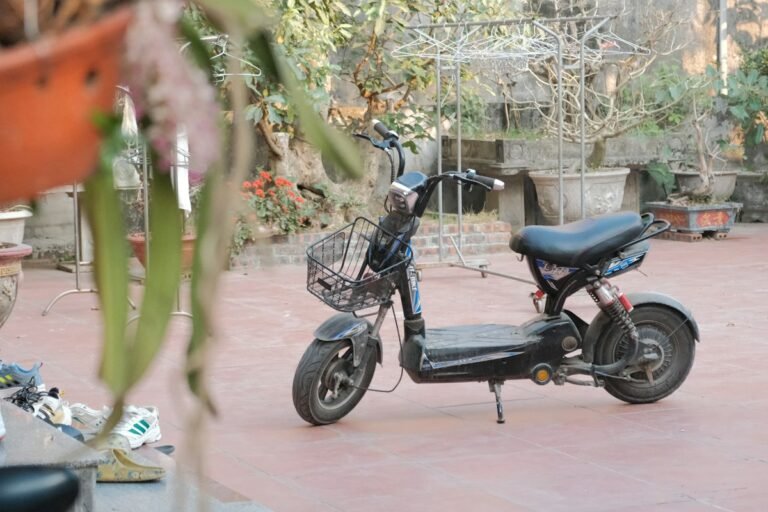
These are the most common electric bikes available for rent in Hanoi. They resemble traditional scooters but are powered entirely by electric motors.
Specifications:
- Motor power: 500W to 1500W
- Top speed: 35-45 km/h
- Range: 40-60 km per charge
- Weight capacity: 120-150 kg
Standard electric scooters are ideal for city commuting and short-distance travel. They’re user-friendly, requiring minimal learning curve for those familiar with traditional scooters.
High-Performance Electric Motorcycles
For longer trips or those seeking more power, high-performance electric motorcycles offer enhanced capabilities.
Features:
- Motor power: 2000W to 5000W
- Top speed: 60-90 km/h
- Range: 80-120 km per charge
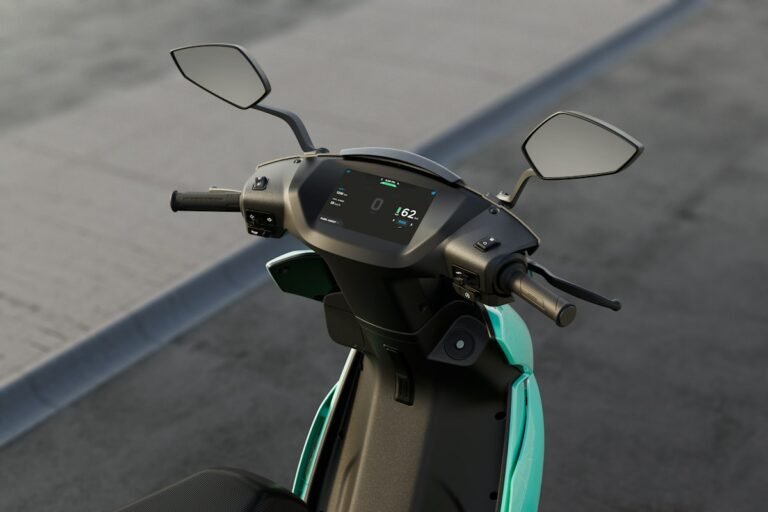
- Advanced digital displays
- Multiple riding modes
These models often require proper motorcycle licensing and come with higher rental rates and deposits.
Electric Bicycles (E-bikes)
Ask whether the supplied model is legally classified as a pedal-assisted electric bicycle, moped or motorcycle. The previous generic model-power, range and top-speed list did not establish that classification.
Check the vehicle records and assistance cutoff, rider conditions, controls, fit and practical battery range before booking. Use the licensing guidance above; the marketing term “e-bike” alone does not establish a licence exemption.
Specialty and Luxury Models
Some rental companies in Hanoi offer premium electric bikes with advanced features and superior build quality.
These may include smart connectivity, GPS navigation, anti-theft systems, premium suspension, and higher battery capacities.
Luxury models come with significantly higher rental rates but provide enhanced comfort and performance.
Rental Duration and Pricing
Hourly Rental Extensions
The shop must confirm the extension price and revised return deadline for the actual rental; do not assume a fixed hourly rate or an automatic six-hour conversion.
This is the extension charge for an existing rental, not a separate hourly rental package.
Daily Rental Rate
Motorbike Nguyen Ha’s daily rental rate is model-dependent; confirm the daily quote. Confirm the available model before booking.
Weekly and Monthly Rental Rates
| Rental period | Motorbike rental rate (VND) |
|---|---|
| Daily | model-dependent; confirm the daily quote |
| Weekly | Contact for a quote |
| Monthly | Contact for a quote |
Breakdown support is available only during working hours, 09:00–21:00. For motorbike maintenance, customers must bring the bike to our shop.
Additional Fees and Charges
Be aware of potential additional costs beyond the base rental rate:
Common Additional Fees:
- Helmet: confirm whether an appropriate helmet is supplied, whether an additional helmet is available and any charge before booking
- Extra battery: ask whether a compatible spare battery is available and request its actual rental price, if offered
- GPS device or phone holder: ask what is available and request any charge in writing
- Optional insurance: request the actual policy, exclusions, excess and a current written quote
- Hourly extension: request the current charge and return deadline in writing
- Delivery and pickup service: confirm the fee for your address in writing; Nguyen Ha publishes its delivery reference on the motorbike rental prices in Hanoi page
Always clarify what’s included in the quoted rental price to avoid surprises at checkout.
Safety Requirements and Regulations
Helmet Laws and Regulations
Check the helmet rule for the actual legal vehicle class and use a compliant, correctly fastened helmet. Inspect its fit and condition and confirm whether the booking includes an appropriate helmet.
The former fixed fine range and automatic insurance-consequence claim were not verified. Penalties and policy outcomes must be checked against the actual rule, offence and policy.
Official helmet reference: 2026 consolidated road-traffic law, Articles 31 and 33. Checked 13 October 2026.
Traffic Rules for Electric Bikes
Electric bike riders must follow the same traffic regulations as motorcycle riders in Hanoi.
Essential Traffic Rules: Drive on the right side of the road. Obey all traffic signals, signs, and road markings. Do not exceed the speed limit (typically 40-60 km/h in urban areas).
Use designated lanes when available. Yield to pedestrians at crosswalks. Do not use mobile phones while riding (unless hands-free).
Prohibited Actions: Riding under the influence of alcohol or drugs. Carrying more passengers than the vehicle is designed for. Performing dangerous maneuvers or racing. Riding on sidewalks or pedestrian areas.
Traffic violations can result in fines, and you’ll be responsible for paying these before returning the rental bike.
Parking Regulations
Proper parking is essential to avoid fines and ensure your electric bike’s security.
Parking Guidelines: Use designated parking areas whenever possible. Many tourist attractions and commercial areas have paid parking facilities charging 5,000-10,000 VND.
Never park in areas marked with no-parking signs or red and white curbs. Avoid blocking sidewalks, doorways, or emergency access routes.
When parking on streets, ensure the bike is not obstructing traffic flow. Always use the provided lock and security devices.
Illegal parking can result in your bike being impounded, requiring payment of fines and impound fees before retrieval.
Safety Equipment and Gear
Beyond the mandatory helmet, additional safety equipment enhances your protection while riding in Hanoi’s busy traffic.
Recommended Safety Gear:
- Protective jacket or visible clothing
- Gloves for better grip and protection
- Closed-toe shoes (never sandals or flip-flops)
- Sunglasses or clear protective eyewear
- Rain gear during monsoon season
Some rental companies include these items or offer them for additional fees. High-visibility clothing is particularly important for evening riding.
Charging and Battery Management
Understanding Battery Range
Electric bike range depends on multiple factors including battery capacity, rider weight, terrain, speed, and riding style.
Factors Affecting Range: Aggressive acceleration and high speeds significantly reduce range. Carrying heavy loads or passengers decreases battery efficiency. Frequent stopping and starting in traffic consumes more power.
Hot weather can slightly reduce battery performance, while extremely cold conditions can significantly impact range.
Most rental electric bikes in Hanoi have realistic ranges of 40-60 km under normal riding conditions. Plan your routes accordingly to avoid running out of charge.
Charging Stations and Infrastructure
Hanoi’s electric vehicle charging infrastructure is expanding but still limited compared to gasoline stations.
Charging Options: Most rental companies expect you to charge the bike at your accommodation overnight. Standard charging from a regular outlet takes 4-6 hours for a full charge.
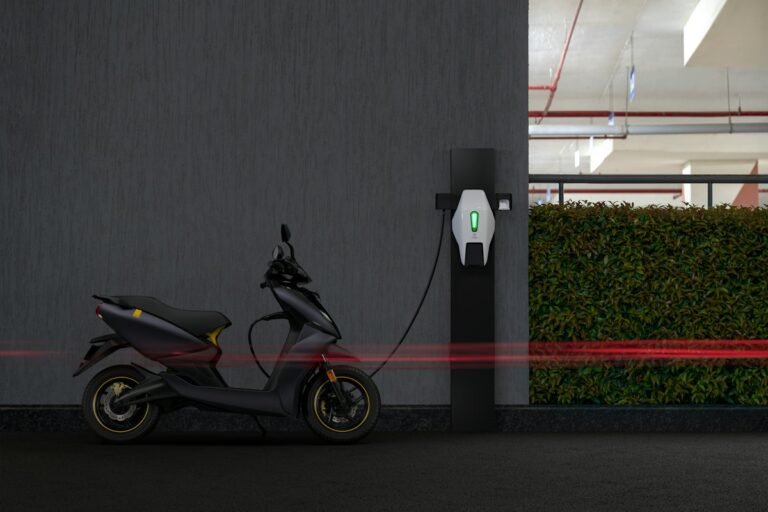
Public charging stations are gradually appearing at shopping malls, hotels, and some tourist areas. Apps like “EV Charging Vietnam” can help locate public charging points.
Some rental companies operate battery-swapping services, allowing you to exchange depleted batteries for fully charged ones at designated locations.
Charging Best Practices
Proper charging habits extend battery life and ensure reliable performance throughout your rental period.
Charging Guidelines: Follow the charging advice for this battery and charger, and avoid running it completely flat. Avoid overcharging; unplug once the battery reaches 100%.
Use only the charger provided by the rental company. Store and charge the battery in well-ventilated areas away from direct sunlight.
Never charge the battery in extremely hot or cold conditions. If the battery or charger becomes unusually hot, disconnect immediately and contact the rental company.
Low Battery Protocol
Know what to do if your battery runs critically low while riding.
Emergency Procedures: Ask the rental company before you leave what help it offers for a flat battery and during which hours. Contact them immediately if you can’t reach a charging location.
Some companies will deliver a charged battery or come to tow your bike. Confirm any fee for this service with the shop in writing.
Plan your daily routes to include charging stops if necessary. Do not count on cafes or restaurants letting you charge a bike; ask before you plug in.
Types of Electric Bike Rental Companies in Hanoi
Booking Platforms and Larger Operators
Some travellers book through online platforms or larger operators that list several bikes and pickup points.
Check who actually supplies the bike, where you collect and return it, which language support is available and how to reach the supplier after a breakdown.
Compare each provider’s current quote, written policy and support terms. A chain or platform name does not establish comprehensive insurance or included assistance.
Local Vietnamese Rental Shops
Local rental shops offer competitive pricing and personalized service, though language barriers may exist for non-Vietnamese speakers.
Advantages: More negotiable rates, especially for long-term rentals. Greater flexibility with rental terms and conditions. Local knowledge and recommendations for routes and attractions.
Considerations: Vehicle quality varies from shop to shop, so inspect the actual bike. Insurance coverage might be more limited. Documentation may primarily be in Vietnamese.
Hotel and Accommodation Partnerships
Some hotels, hostels and guesthouses in Hanoi can arrange an electric bike rental for guests through a local rental shop.
Benefits: Convenient pickup and return at your accommodation. Ask whether delivery to your accommodation is free or charged. Compare the hotel’s quote with the rental shop’s own published rates. Easy coordination for any issues during your stay.
This option is particularly convenient for tourists who prefer dealing with fewer service providers.
Peer-to-Peer Rental Platforms
Emerging peer-to-peer platforms connect electric bike owners with renters, similar to Airbnb for vehicles.
These platforms can offer unique models and competitive prices, though they require more careful vetting of vehicle condition and owner reliability.
Always verify insurance coverage and rental agreements are properly documented when using peer-to-peer services.
Special Conditions and Restrictions
Geographic Restrictions
Confirm the agreed riding area and any route restrictions for the supplied vehicle, together with current road signs and access rules. Do not assume all bookings permit travel outside Hanoi or that one deposit-forfeiture rule applies.
Ask the provider to state permitted use, approval requirements and any contractual consequences in writing before choosing a route.
Weather-Related Conditions
Hanoi’s climate includes distinct seasons that can affect electric bike rentals and operations.
Monsoon Season Considerations: During heavy rains (typically May through September), some rental companies offer flexible cancellation policies or rain checks.
Riding in heavy rain is dangerous and not recommended. Most rental companies advise against using electric bikes during severe weather conditions.
Waterproofing varies by model; clarify the bike’s water resistance rating and what protection is provided in case of rain damage.
Passenger and Load Limitations
Electric bikes have specific weight capacities and passenger limitations that must be observed.
Typical Restrictions: Maximum weight capacity: 120-150 kg (combined weight of rider, passenger, and cargo). Most standard models accommodate only one passenger in addition to the driver.
Carrying excessive loads can damage the bike, reduce range significantly, and create dangerous riding conditions. You’ll be liable for damage caused by overloading.
For cargo transport, some rental companies offer electric bikes with cargo racks or attached trailers for an additional fee.
International Tourist Considerations
Use the document-recognition guidance above for the actual vehicle and rider. Shop preferences do not establish legal riding permission, and a foreign licence or permit should not be treated as universally sufficient or insufficient without that check.
Read the agreement in a language you understand, arrange translation when needed and keep reliable provider contacts. Consider alternative transport if eligibility, bike control, route or traffic conditions remain unclear.
Maintenance and Care Responsibilities
Daily Maintenance Checks
Renters are typically responsible for basic daily maintenance and condition monitoring.
Pre-Ride Inspection: Check tire pressure and look for visible damage. Test all lights, horn, and turn signals. Verify brakes are functioning properly. Ensure battery is adequately charged for your planned route.
Check for any fluid leaks or unusual sounds. Confirm all mirrors and panels are secure.
Report any issues to the rental company immediately rather than attempting repairs yourself.
Cleaning and Care
While renters aren’t expected to professionally detail the bike, basic cleanliness is appreciated and may be required.
Care Guidelines: Wipe down the seat and body if excessively dusty or muddy. Clean the windscreen for better visibility. Remove any personal items and trash before return.
Avoid using high-pressure water or harsh chemicals on electric components. Never submerge or spray water directly into the charging port or control panel.
Some rental companies charge cleaning fees if the bike is returned excessively dirty.
Reporting Mechanical Issues
Stop safely and contact the provider when a fault affects control, brakes, steering or lights. Record the problem when safe and follow the provider’s instructions.
Confirm who arranges and pays for maintenance, recovery, parts or replacement under the actual booking. Do not assume all companies supply free repairs or that a self-repair automatically voids insurance; check permission and policy terms before attempting work.
Prohibited Modifications
Do not alter a rented vehicle without the provider’s written permission. Check the contract before changing parts, accessories, appearance or performance settings.
Any charge, policy consequence or legal dispute depends on the applicable terms and circumstances. Do not rely on a universal promise of automatic repair charges or legal action.
Accident and Emergency Procedures
What to Do in Case of an Accident
Prioritise safety and medical needs and follow lawful instructions from emergency services or authorities. Contact the provider and any relevant insurer.
When safe, preserve photos, location details, witness contacts and reports. Follow the actual agreement and policy’s notice and evidence requirements. Request clarification before signing wording you do not understand; do not assume a particular report is required for every claim.
Insurance Claims Process
Use the insurer’s procedure for the actual policy and the provider’s agreed incident-notification terms. Confirm the correct recipient, notice deadline, reports, photographs, medical records and other evidence required for the specific claim.
Keep copies of submissions and correspondence. Do not use the previous universal 24-hour deadline or assume the rental company always submits or coordinates a claim for you.
Theft and Loss Reporting
Contact the provider and police promptly and follow the actual reporting procedure. Preserve the last known location, time, vehicle details, security information and available evidence.
Review the applicable agreement and policy for theft cover, excess, deposit deductions and any liability. No universal forfeiture or full-replacement payment is assumed in this guide.
Medical Assistance
Know where to access medical care if injuries occur during your rental period.
Healthcare Facilities in Hanoi: International hospitals with English-speaking staff (such as Vinmec International Hospital, Hanoi French Hospital). Local public hospitals providing emergency services. Pharmacies for minor issues and over-the-counter medications.
Keep your travel insurance information readily accessible. Many rental companies maintain relationships with medical facilities and can assist with coordination if needed.
Tips for First-Time Electric Bike Renters
Getting Comfortable with the Bike
If you’re new to electric bikes, take time to familiarize yourself before entering traffic.
Practice Tips: Spend 15-20 minutes in a quiet area or parking lot learning the controls. Practice smooth acceleration and braking. Get comfortable with the bike’s weight and balance.
Test the turning radius and handling characteristics. Familiarize yourself with all switches, buttons, and indicators.
Electric bikes have instant torque; acceleration is more immediate than gasoline scooters. Start gently until you understand the power delivery.
Navigating Hanoi Traffic
Hanoi’s traffic can be overwhelming for newcomers. These strategies will help you navigate safely.
Traffic Navigation Strategies: Maintain consistent speed rather than frequent stopping and starting. Use your horn liberally; it’s expected and not considered rude. Make your intentions clear with signals and positioning.
Watch for sudden stops and lane changes by other vehicles. Be especially cautious at intersections, where traffic flow can be chaotic.
Stay visible; assume other drivers don’t see you. Avoid aggressive riding; patience is safer than speed in Hanoi traffic.
Best Times to Ride: Avoid rush hours (7-9 AM and 5-7 PM) when traffic is most congested. Midday and late evening offer calmer conditions for inexperienced riders.
Recommended Routes for Beginners
Start with less challenging routes to build confidence before tackling busier areas.
Beginner-Friendly Areas: The Old Quarter during mid-morning or mid-afternoon. West Lake perimeter road (Đường Thanh Niên). Hoan Kiem Lake area. Temple of Literature surroundings.
These areas offer interesting sights with more manageable traffic conditions. As your confidence grows, gradually explore busier districts.
Cultural Etiquette and Considerations
Understanding local customs enhances your experience and helps you navigate social situations.
Etiquette Tips: Always park in designated areas and ask permission if parking on private property. Remove your helmet when entering temples, pagodas, or people’s homes.
Be respectful when photographing from your bike; ask permission before photographing people. Show patience and courtesy even in frustrating traffic situations.
Learning basic Vietnamese phrases for “excuse me,” “thank you,” and “sorry” goes a long way in positive interactions.
Long-Term Rental Considerations
Extended Rental Agreements
Long-term rentals require more comprehensive agreements and different considerations than short-term rentals.
Long-Term Contract Elements: Detailed maintenance schedules and responsibilities. Periodic inspection requirements. Procedures for battery replacement. Terms for early termination.
Long-term agreements often provide better rates but require larger upfront deposits and commitments.
Maintenance Responsibilities
Renters should keep the bike reasonably clean, monitor tires and battery charge, and report issues promptly.
Breakdown support is available only during working hours, 09:00–21:00. For motorbike maintenance, customers must bring the bike to our shop.
Any other responsibility, damage or repair terms should be confirmed in the rental agreement.
Registration and Legal Requirements
Verify that the supplied vehicle has the records required for its legal class and that the provider supplies the applicable road documents. Confirm any stay, identification or provider paperwork separately.
Do not infer an additional residence-registration or rental-document rule solely because the booking exceeds 30 days. Check the current competent-authority procedure for your circumstances and the actual booking terms.
Contract Renewal and Termination
Understand the procedures for renewing or ending your long-term rental agreement.
Renewal Process: Most companies offer automatic renewal with advance notice. Rates may be renegotiated for renewal periods. New inspection may be required before renewal.
Termination Terms: Check the actual notice period, deposit-return conditions, final inspection and whether any unused rental time can be refunded. Do not assume a standard notice window or prorated refund.
Review these terms carefully before committing to long-term rentals.
Conclusion and Final Recommendations
Renting an electric bike in Hanoi offers an exciting and convenient way to explore this dynamic city. By understanding the requirements, conditions, and best practices outlined in this guide, you’ll be well-prepared for a safe and enjoyable experience.
Key Takeaways
Always verify your licensing requirements based on the specific electric bike model you’re renting. Conduct thorough inspections before accepting the bike and document any existing damage.
Understand your insurance coverage and consider additional protection for peace of mind. Familiarize yourself with Vietnamese traffic laws and Hanoi’s unique traffic patterns.
Prioritize safety by wearing proper protective gear and riding defensively. Plan your routes considering battery range and charging availability.
Making the Most of Your Rental
Choose a reputable rental company with good reviews and transparent terms. Don’t rush the paperwork; read contracts carefully before signing. Ask questions about anything unclear in the rental agreement.
Start with shorter, less challenging routes to build confidence. Respect local traffic customs and regulations. Keep emergency contacts readily accessible throughout your rental period.
Future of Electric Mobility in Hanoi
Hanoi’s electric bike infrastructure continues to improve with expanding charging networks and better rental services. The city government is increasingly supportive of electric mobility as part of sustainability initiatives.
As more people adopt electric transportation, infrastructure and services will continue evolving, making electric bike rentals even more convenient and accessible.
Final Thoughts
Electric bike rentals in Hanoi represent more than just transportation—they’re a gateway to experiencing the city’s culture, history, and daily life from a unique perspective. With proper preparation and awareness of requirements and conditions, your electric bike rental experience in Hanoi can be both memorable and hassle-free.
Whether you’re here for a few days or planning an extended stay, electric bikes offer the perfect balance of independence, affordability, and environmental responsibility. Embrace the experience, ride safely, and enjoy everything Hanoi has to offer from the seat of your electric bike.
Remember that regulations and requirements can change, so always confirm current policies with your chosen rental company before finalizing your reservation. Safe travels and enjoy exploring Hanoi!