
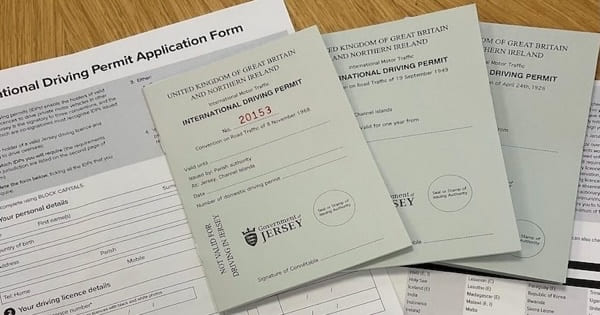
Can an International Driving Permit Be Used in Vietnam?
Planning to ride a motorcycle in Vietnam? The question of whether your international motorcycle license is valid in Vietnam is crucial for legal compliance and safety. This comprehensive guide provides everything you need to know about motorcycle licensing requirements for foreign visitors in Vietnam.
Understanding Vietnamese motorcycle licensing requirements can help you avoid legal and insurance problems. For the broader question of whether you need a motorcycle licence in Vietnam, use our Vietnam motorcycle licence guide; this article focuses specifically on whether an international permit is recognised and what documents may be required. Rules can change, so verify current requirements before riding.
This article covers the legal framework, practical applications, and real-world experiences of using international motorcycle licenses in Vietnam. We’ll also explore alternatives and provide actionable advice for legal motorcycle riding in this beautiful Southeast Asian country.
Understanding International Driving Permits (IDP) in Vietnam
What is an International Driving Permit?
Definition and Purpose:
An International Driving Permit (IDP) is an official translation of your domestic driving license into multiple languages. It’s recognized under international conventions to facilitate driving abroad.
The IDP serves as a supplement to, not a replacement for, your valid domestic driving license. You must carry both documents when driving internationally.
Two main types of IDPs exist: the 1968 Vienna Convention IDP and the 1949 Geneva Convention IDP, each recognized by different countries.
IDP Issuing Requirements:
Your home country must be a signatory to either the Vienna or Geneva Convention to issue valid IDPs.
IDPs must be obtained before traveling – you cannot apply for an IDP while abroad or from a country other than where your original license was issued.
The application process typically requires your original driving license, passport photos, and completion of official forms through authorized automobile associations.
Vietnam’s Position on International Conventions
Treaty Obligations:
Vietnam is a party to the 1968 Vienna Convention on Road Traffic. Whether a particular foreign driving document can be used in Vietnam still depends on the applicable Vietnamese rules, the issuing country and convention, and the licence class shown on the documents.
Vietnam is a party to the 1968 Vienna Convention on Road Traffic. Under current Vietnamese rules, an IDP issued by a country participating in that Convention may be used in Vietnam when it is accompanied by the matching national driving licence and the licence class is appropriate to the vehicle. The document and vehicle classification should be checked before riding.
Current Legal Framework:
Vietnamese law recognizes certain foreign driving credentials for use in Vietnam. For an IDP issued by a country participating in the 1968 Vienna Convention, the driver must carry both the IDP and the matching national driving licence, and the licence class must match the vehicle being operated.
Do not assume that every document described as an “international driving permit” is valid in Vietnam. Check the issuing convention, the motorcycle class shown on the national licence and IDP, and the current Vietnamese requirements before riding.
Law enforcement officers may have varying interpretations of IDP validity, leading to inconsistent enforcement practices.
How the IDP Fits Vietnam’s Motorcycle Licence Framework
For the broader licensing question in Vietnam, see our Vietnam motorcycle licence guide. For the rental-specific licensing context, see our motorcycle licence for rental guide. This page remains focused on IDP recognition and the documents a foreign rider should verify.
Legal Requirements for Motorcycle Operation
Current licence framework:
Under the current Vietnamese framework, the motorcycle licence class depends on the vehicle’s legal classification and specifications. For two-wheeled motorcycles, A1 covers engine capacity up to 125 cm³ (or electric motor output up to 11 kW), while class A covers motorcycles above those thresholds. Vehicles legally classified as mopeds are regulated separately.
For foreign riders, the key question is not simply whether a document is called an “international licence”. Check the current Vietnamese rules, the exact vehicle classification, and whether your foreign driving documents are recognised for that vehicle class.
Foreign National Requirements:
Foreign visitors should verify the current recognition route applicable to their documents before riding. Where an IDP is used, carry it together with the matching national driving licence and confirm that the motorcycle entitlement covers the vehicle being operated.
Administrative procedures for obtaining or converting a Vietnamese licence can differ by rider status and the rules in force at the time. Do not rely on old A1/A2/A3 summaries or informal claims that requirements are identical for every foreign visitor.
Enforcement Reality vs Legal Theory
Practical Enforcement Patterns:
Enforcement can vary by location and time, but that does not change the underlying legal requirements. Riders should follow current traffic signs, police instructions, and Vietnamese regulations rather than relying on assumptions about how strictly a location may be monitored.
Police Checkpoint Procedures:
Traffic police may request documentation during routine stops or targeted enforcement operations.
Penalty amounts depend on the specific violation, vehicle classification, licence status, and the penalty rules in force at the time. Do not rely on a fixed fine amount here without checking the current official Vietnamese penalty regulations.
Do not base a licensing decision on reports of individual enforcement practices. The legally relevant question is whether your foreign driving documents are recognised under the applicable Vietnamese rules and whether the licence class matches the vehicle.
Using an IDP in Vietnam: Practical Considerations
Practical Use of an IDP
An IDP is supporting documentation, not a standalone motorcycle licence. Before riding, verify that the issuing convention, underlying national driving licence, and motorcycle entitlement satisfy the current Vietnamese requirements for the exact vehicle.
Do not use anecdotal reports about successful rental or police encounters as evidence that a document is legally recognised. Rental acceptance also does not by itself establish legal or insurance validity.
Regional Variations in Acceptance
Northern Vietnam (Hanoi Region):
Licensing requirements do not become optional because enforcement may differ by location. Check the current Vietnamese rules and comply with the requirements that apply to your documents and vehicle.
Central Vietnam (Da Nang, Hoi An):
Do not infer legal recognition from tourist-area practice or local enforcement patterns. Check whether your specific foreign driving documents are recognised under the current Vietnamese rules and whether they cover the vehicle class you intend to ride.
Southern Vietnam (Ho Chi Minh City Region):
Do not use regional enforcement patterns as a substitute for the legal test. The applicable Vietnamese requirements remain the reference point regardless of whether checks are frequent or infrequent.
IDP, Insurance and Legal Liability in Vietnam
Insurance Coverage Concerns
Rental Insurance Limitations:
Most motorcycle rental insurance policies require riders to possess valid licenses recognized under Vietnamese law.
IDPs may not provide adequate legal foundation for insurance coverage in case of accidents or theft.
Comprehensive insurance often specifically excludes coverage for unlicensed riders, regardless of IDP possession.
Personal Travel Insurance:
International travel insurance policies may deny claims for motorcycle accidents involving improperly licensed riders.
Medical evacuation insurance could be void if the incident occurs during illegal vehicle operation.
Third-party liability coverage may not apply without proper local licensing, leaving riders financially exposed.
Accident Liability and Legal Consequences
Civil Liability Issues:
Accidents involving unlicensed foreign riders can result in significant legal and financial consequences.
Vietnamese law may hold unlicensed operators fully liable for accidents regardless of fault determination.
Property damage and medical expenses can become personal financial obligations without proper insurance coverage.
Criminal Liability Considerations:
Serious accidents involving unlicensed riders may result in criminal charges under Vietnamese law.
Deportation and entry bans are possible consequences for foreigners involved in serious traffic violations.
Legal representation becomes essential when criminal charges arise from traffic incidents.
How to Get Proper Motorcycle Licensing in Vietnam
Temporary Permit Process
Application Requirements:
The documents, medical requirements, translations, fees, and administrative steps for obtaining or converting a Vietnamese motorcycle licence depend on the rider’s status and the procedure currently offered by the competent authority.
Do not rely on a fixed processing time, fee, document list, or province-by-province rule from an older guide. Confirm the current procedure and required documents before applying.
Documentation Process:
A foreign licence may need to be translated or otherwise documented according to the current administrative procedure. Requirements can change, so confirm the accepted format with the competent Vietnamese authority or an authorised service provider before submission.
Full Vietnamese License Conversion
Conversion Eligibility:
Long-term residents with appropriate visa status may qualify for full license conversion rather than temporary permits.
Some countries have bilateral agreements allowing simplified conversion processes for their citizens.
Conversion typically requires surrender of original foreign licenses during the Vietnamese license validity period.
Testing Requirements:
Written examinations covering Vietnamese traffic laws are mandatory for most applicants.
Practical riding tests may be waived for experienced riders with documented riding history.
Testing is typically conducted in Vietnamese, though some centers offer English translation services.
Chapter 6: Alternative Legal Solutions
Professional Driver Services
Guided Tour Options:
Professional motorcycle tour companies provide licensed drivers and eliminate individual licensing concerns.
Guided tours offer local expertise and legal compliance while allowing tourists to experience Vietnamese roads.
Costs are higher than independent riding but include comprehensive insurance and legal protection.
Private Driver Arrangements:
Hiring licensed Vietnamese drivers for extended trips provides legal compliance and local knowledge.
Driver services typically include fuel, maintenance, and basic insurance coverage.
Communication barriers may exist, but many professional drivers speak basic English.
Public Transportation Alternatives
Regional Bus Networks:
Vietnam has extensive bus networks connecting major cities and tourist destinations.
Sleeper buses provide comfortable overnight travel options between distant cities.
Local bus systems in major cities offer affordable urban transportation alternatives.
Train Services:
Vietnamese railways connect major cities with comfortable and affordable service options.
Motorcycles can be transported on trains for certain routes, allowing combined travel modes.
Train travel provides safe alternatives to motorcycle riding on dangerous highway sections.
Motorcycle Rental and IDP Requirements
Choosing Reputable Rental Companies
License Requirement Policies:
Reputable rental companies typically require either Vietnamese licenses or IDPs, though policies vary significantly.
Some companies offer “driver included” rentals to address licensing concerns for foreign customers.
Insurance coverage varies dramatically based on the documentation provided by renters.
Documentation and Deposits:
Passport deposits are standard practice, with additional security deposits for insurance deductibles.
Rental agreements should clearly specify license requirements and insurance coverage limitations.
Understanding rental terms prevents disputes about liability and coverage during your trip.
Risk Assessment and Mitigation
Evaluating Personal Risk Tolerance:
Consider your riding experience, insurance coverage, and financial exposure before deciding to ride without proper licenses.
Tourist areas may have lower enforcement risk but legal liability remains unchanged regardless of location.
Emergency medical costs and legal expenses can be substantial without proper insurance coverage.
Mitigation Strategies:
Comprehensive travel insurance with specific motorcycle coverage can provide some protection despite licensing issues.
Carrying cash reserves for potential fines and legal expenses provides practical security.
Understanding local emergency procedures and contact information is essential for crisis management.
Current Legal Framework and Verification
Recent Rule Changes
Vietnam’s driving-licence framework has changed over time. Rather than relying on older summaries or assumptions about temporary permits, travellers should verify the current official rules for licence classes, foreign-document recognition, and administrative procedures before riding.
National Rules vs. Local Practice
Local enforcement activity can vary, but national legal requirements remain the reference point. Do not treat reports from a particular province or tourist area as a different licensing rule.
Potential Future Developments
ASEAN Integration Effects:
Vietnam’s ASEAN membership may eventually lead to regional driving license recognition agreements.
Economic integration pressures could force standardization of international driving permit acceptance.
Tourism industry advocacy may influence future policy changes regarding foreign driver licensing.
Technology and Enforcement:
Digital license verification systems may eliminate enforcement inconsistencies in the future.
Mobile payment systems for fines and permits could streamline compliance for tourists.
GPS tracking and digital documentation may change how licensing requirements are monitored.
Chapter 9: Practical Recommendations and Best Practices
Before Traveling to Vietnam
Pre-Trip Preparation:
Obtain an IDP from your home country even though recognition isn’t guaranteed in Vietnam.
Research current enforcement practices in your planned destinations through recent traveler reports.
Contact your insurance provider to understand coverage limitations for international motorcycle riding.
Documentation Strategy:
Carry multiple forms of identification and licensing documentation to maximize acceptance chances.
Photograph all important documents and store copies in separate locations.
Learn basic Vietnamese phrases related to traffic stops and document requests.
During Your Visit
Riding Behavior and Risk Management:
Ride defensively and avoid behaviors that attract police attention, such as speeding or reckless driving.
Stay informed about local traffic campaigns and increased enforcement periods.
Maintain emergency cash reserves for potential fines or legal complications.
Interaction with Authorities:
Remain polite and respectful during any interactions with traffic police or authorities.
Present documentation confidently while acknowledging any limitations in validity.
Consider hiring local legal assistance if serious complications arise from traffic stops.
Emergency Procedures
Accident Response:
Contact emergency services immediately and document everything thoroughly with photos and witness information.
Notify your insurance provider and rental company as soon as possible after any incident.
Seek legal advice before admitting fault or signing any documents in Vietnamese.
Legal Complications:
Contact your embassy or consulate immediately if arrested or charged with traffic violations.
Arrange for competent legal representation familiar with Vietnamese traffic law and foreign national issues.
Maintain communication with family and insurance providers throughout any legal proceedings.
Chapter 10: Country-Specific Considerations
Country-Specific Verification
IDP validity should be assessed from the actual issuing country, convention framework, national driving licence and vehicle class. Do not infer recognition from nationality, tourism relationships or anecdotal acceptance.
Bilateral or Special Arrangements
Where a bilateral agreement or other special arrangement may affect driving-document recognition, verify the current official instrument and its scope before relying on it.
Future policy changes should not be treated as current law. Use the current Vietnamese rules when making a riding or rental decision.
Cost, Time and Verification
Financial Considerations
Licensing, translation, medical and administrative costs vary by procedure, issuing authority and rider status. Do not rely on fixed amounts from an older article without checking the current official requirements.
Risk-Related Expenses
Fines, liability, insurance exposure and legal costs depend on the specific violation and circumstances. Verify current official penalty rules and your insurance terms before riding.
Time Investment
Processing times vary by the procedure and competent authority. Confirm current timelines before making travel plans.
Alternative Time Costs:
Public transportation adds travel time but eliminates licensing concerns and legal risks.
Guided tour services provide time efficiency while ensuring legal compliance and local expertise.
Risk mitigation activities require time investment but provide legal and financial protection.
Professional and Official Guidance
Legal and Consular Guidance
For a licensing decision, rely on current Vietnamese legal rules and official guidance rather than generalized claims about what “experts” or travelers usually experience. When a specific case is unclear, consult the competent Vietnamese authority or a qualified local legal professional.
For Hanoi-specific rental documentation and practical requirements, see our Hanoi rental requirements guide.
International Law Considerations:
International legal rules do not by themselves determine every practical licensing question in Vietnam; recognition and use of foreign driving documents must be assessed under the applicable Vietnamese rules and the relevant convention framework.
Consular services generally advise citizens to comply with local licensing requirements when traveling abroad.
Travel law specialists recommend comprehensive insurance and proper documentation to minimize legal exposure.
Industry Professional Insights
Tour Operator and Rental Guidance:
Rental and tour operators may set their own documentation requirements. Their acceptance of an IDP does not establish that the document is legally recognised for the rider or vehicle.
Embassy and Consular Guidance:
Consular and embassy guidance can help travelers understand local requirements and assistance limits. For the legal test, use current Vietnamese rules and the actual documents held by the rider.
Conclusion
The question “Can an international driving permit be used in Vietnam?” depends on the applicable Vietnamese rules, the issuing convention, the matching national driving licence, and the vehicle class. Vietnam is a party to the 1968 Vienna Convention on Road Traffic, but an IDP should not be treated as a universal substitute for the underlying national licence or as proof that every motorcycle class is covered.
However, the safest and most legally sound approach is to obtain proper Vietnamese motorcycle licensing or permits. The temporary permit process, while requiring time and documentation, provides legal protection and insurance coverage that IDPs cannot guarantee.
For short-term tourists, the decision involves weighing convenience against legal and financial risks. Many travelers successfully use IDPs without complications, but others face fines, legal troubles, and insurance claim denials.
The enforcement landscape varies significantly by region, with tourist areas generally showing more flexibility but maintaining unchanged legal liability. Recent legislative changes have increased penalties and enforcement capabilities, suggesting a trend toward stricter compliance requirements.
Professional recommendations consistently favor legal compliance through proper licensing or alternative transportation methods. The costs and time investment required for legal compliance are minimal compared to the potential consequences of accidents or serious traffic violations.
Future developments may bring changes to international license recognition, but current reality requires careful consideration of legal, financial, and safety factors. Whether you choose to obtain proper licensing, use alternative transportation, or accept the risks of IDP usage, understanding the full legal landscape is essential for making informed decisions.
The motorcycle experience in Vietnam can be incredible, but it should not come at the cost of legal compliance, personal safety, or financial security. Research current conditions thoroughly, understand your options completely, and make decisions that align with your risk tolerance and travel objectives.
Remember that laws and enforcement practices can change rapidly. Always verify current requirements and consult recent traveler experiences before making final decisions about motorcycle licensing in Vietnam.
This guide provides general information about international motorcycle licensing in Vietnam. Laws and enforcement practices change frequently. Always consult current official sources, legal professionals, and recent traveler experiences before making licensing decisions. Consider comprehensive insurance and legal consultation for optimal protection.