Blog
Electric Bike vs Electric Scooter Rental Hanoi: Compare Prices

About 14 minutes to read
Electric Bike vs Electric Scooter in Hanoi: Prices, Use Cases & What to Check
Hanoi, Vietnam’s bustling capital, is rapidly embracing electric mobility as a sustainable and efficient way to navigate its vibrant streets. Whether you’re a tourist exploring ancient temples or a local commuting to work, choosing between an electric bike and an electric scooter rental can significantly impact your experience and budget.
This guide is the comparison page for electric bike versus electric scooter rentals in Hanoi. It focuses on price, vehicle type, practical use, and the key conditions renters should compare. For the broader electric bike overview, see our electric bike rental in Hanoi guide; for requirements and conditions, see our electric bike rental requirements guide. If you are comparing available scooter rental periods and pickup questions, use the Hanoi electric scooter rental overview.
Understanding Electric Bikes and Electric Scooters in Hanoi
What is an Electric Bike?
An electric bike (e-bike) is a bicycle equipped with an electric motor that assists pedaling. In Hanoi, e-bikes typically feature:
- Pedal-assist technology
- Rechargeable lithium-ion batteries
- Range of 40-80 kilometers per charge
- Maximum speed of 25-35 km/h
- Traditional bicycle frame with added motor
What is an Electric Scooter?
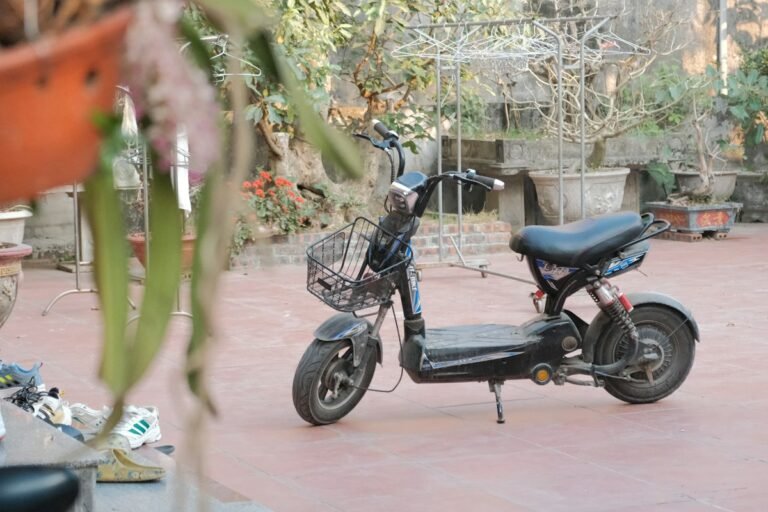
An electric scooter (e-scooter) is a motorized two-wheeled vehicle that doesn’t require pedaling. Common features include:
- Twist-grip throttle control
- Seat and footrest platform
- Range of 50-100 kilometers per charge
- Maximum speed of 45-60 km/h
- Resembles traditional gas scooters
Price Comparison: Electric Bike vs Electric Scooter Rentals
Electric bicycles and electric scooters can differ in motor power, vehicle classification, registration requirements, passenger capacity and charging arrangements. There is no verified standard electric rental price list for every model at this shop. Obtain the current quote for the exact vehicle and rental dates rather than treating example figures as an offer.
Price Comparison Checklist
| Rental factor | Electric bicycle | Electric scooter / motorbike |
|---|---|---|
| Day, week or month | Request a model-specific VND quotation | Request a model-specific VND quotation |
| Security deposit | Confirm amount and refund terms | Confirm amount and refund terms |
| Charging | Check charger, battery and return level | Check charger, battery and return level |
| Documents and eligibility | Verify the actual legal vehicle classification | Verify registration, licence and rider requirements for the specific model |
| Delivery, accessories and support | Ask what the quote includes | Ask what the quote includes |
Compare the Total, Not an Illustrative Daily Price
Ask both providers to quote the same pickup date, return date, pickup location and expected distance. Include any deposit separately from the rental charge. A discount for a longer rental should be included only when the provider confirms it in writing.
For ordinary petrol motorbikes, the Hanoi rental price guide contains a separate published price reference; it must not be used as an automatic electric-bike or electric-scooter quote.
Additional Costs Comparison
Deposit and Insurance Fees
| Cost to compare | Electric bike and electric scooter booking checks |
|---|---|
| Deposit | Ask for the amount, accepted method, receipt, refund conditions and any permitted deduction. |
| Optional insurance | Request the actual policy and quote. Compare covered vehicle, rider, activity, benefits, exclusions and excess. |
| Helmet and accessories | Confirm what is included or separately charged for the supplied model. |
Do not assume the former vehicle-specific ranges, a guaranteed full deposit refund or damage/theft cover apply to a booking.
Operating Cost Comparison: Confirm the Actual Model
Electricity costs, charging times, usable range and maintenance terms depend on the battery, charger, electricity tariff, operating conditions and rental agreement. The numbers cannot be established for all electric bicycles or scooters as a class.
| Expense or specification | What to check for the specific vehicle |
|---|---|
| Electricity per full charge | Battery capacity in kWh, charging efficiency, actual electricity tariff and who pays at the charging point |
| Charging time | Manufacturer-rated charger, battery state, charging access and any operator restrictions |
| Usable range | Model and battery condition, rider/load weight, terrain, traffic, weather and a sensible safety margin |
| Maintenance and support | Written scope of the rental agreement, who authorises repairs and whether assistance has an extra charge |
Feature-by-Feature Comparison
Performance and Capabilities: Model-Specific Checks
Electric bicycles and electric scooters do not have universal speed, hill-climbing or range figures. Compare the actual vehicle records and maker specifications before choosing.
| Feature | Electric bicycle | Electric scooter | How to decide |
|---|---|---|---|
| Vehicle classification and speed | Verify whether pedal assistance is present and how the vehicle is legally classified | Verify its recorded class and design speed | Use actual registration/specification and applicable rider eligibility rules |
| Hill climbing and carrying loads | Check battery, motor limits, permitted load and whether pedalling is required | Check rated load, motor output and slope limitations | Match the actual route, rider, passenger and luggage to the model |
| Range | Request the actual battery condition and realistic range estimate | Request the actual battery condition and realistic range estimate | Include a return/charging margin rather than trusting generic kilometre figures |
| Riding effort | Whether pedalling is necessary depends on the model | Confirm actual controls and operating instructions | Try the controls in a safe permitted area before accepting the vehicle |
Practical Considerations: Inspect Before Renting
| Factor | What to verify on the actual electric bicycle or scooter |
|---|---|
| Parking and handling | Dimensions, weight, turning clearance, stand and the rules of the intended parking location |
| Storage | Whether any under-seat compartment, basket or luggage rack is actually fitted and its load rating |
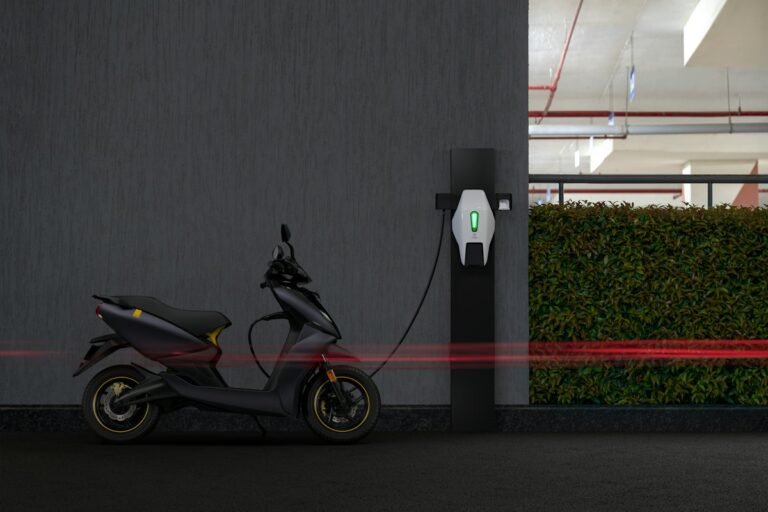
| Charging | Where the supplied charger may be used, who pays and the agreed return battery level |
| Passenger capacity | The vehicle’s legal passenger eligibility, registered seating and manufacturer load limit; never assume every electric scooter carries two people |
| Breakdown assistance | Hours, contact number, repair approval and the written terms of any collection/replacement arrangement |
Legal and Safety Requirements
Compare legal vehicle classes rather than marketing names. A pedal-assisted electric bicycle cuts assistance when pedalling stops or at 25 km/h; an electric moped’s design speed is no more than 50 km/h and power no more than 4 kW. Verify the supplied vehicle’s records.
| Check | What to compare before renting |
|---|---|
| Rider eligibility | Vehicle class, recognised riding documents, age, health and skill conditions; do not use “50cc equivalent” for an electric vehicle. |
| Helmet | Electric-bicycle riders and passengers must use a properly fastened compliant helmet; check the motorcycle/moped rules for those classes too. |
| Road access | Current signs and permitted lanes/routes for the actual class. |
| Insurance | Vehicle paperwork separately from optional damage, theft or personal cover. |
Official reference: 2026 consolidated road-traffic law, Articles 31, 33, 34, 56 and 59. Checked 13 October 2026.
Rental Companies in Hanoi: How to Compare Quotes
Rates, deposits and included equipment differ between rental companies and change over time, so this guide does not list other companies’ prices or ratings. Ask each company for a written quote for the exact model and dates, including the deposit, the charging arrangement and what happens if the battery or bike fails, and compare the quotes line by line. At this shop, electric bikes and electric scooters are quoted per model.
Cost-Benefit Analysis by Use Case
Short City Visits
For several sightseeing days, compare the intended streets, lawful parking, weather and each vehicle’s actual usable battery range. A lighter electric bicycle may suit a short journey where it can legally be used, while an electric scooter may suit another rider. Neither option is automatically cheaper or safer.
Daily Commuting
For work or study, check total journey length, carrying needs, charging access, the model’s passenger and load restrictions and the provider’s breakdown arrangement. Obtain quotations for identical dates and compare the full fee rather than relying on a fabricated five-day total.
Monthly or Longer Rental
Compare written monthly offers for confirmed models. Ask how battery condition, charging, maintenance, early return, deposit and extension terms are handled. Do not assume a fixed monthly saving, automatic volume discount or a guaranteed annual saving.
A Simple Decision Framework
| Priority | Questions to ask |
|---|---|
| Budget | What is the total rental charge for my exact dates, excluding refundable deposit? |
| Safety and eligibility | Am I legally entitled and experienced enough to ride this exact model? |
| Practicality | Where may I park and charge, and can the battery cover my daily route? |
| Support | Who handles a breakdown, failed charger or battery issue, and at what cost? |
Seasonal Price Variations
Some rental companies change their rates around Tet, other public holidays or busy months, while others keep the same price all year, so there is no standard surcharge or discount to assume. Ask whether the quote for your dates differs from the regular rate and get the final figure in writing before you pay.
Hidden Costs and Fees to Consider
Potential Extra Charges
| Possible charge | What to confirm |
|---|---|
| Extension or late return | The agreed rate, time allowance and billing method. |
| Damage or lost keys | Condition report, assessment method, actual charge and any applicable cover or excess. |
| Battery or accessories | Included equipment, replacement responsibility and any separate fee. |
| Traffic penalties | The current provision for the actual offence and vehicle; these are separate from rental-shop charges. |
The former fixed extra-charge and fine ranges were not verified for a current booking or offence. Obtain written terms before paying.
Environmental and Economic Impact
What “Electric” Does—and Does Not—Mean
An electric bicycle or scooter has no tailpipe exhaust while running on electricity, but manufacturing, battery production, charging electricity and disposal can still cause environmental impacts. It is inaccurate to describe either vehicle as producing zero emissions across its full lifecycle.
Energy Use and Practical Range
Battery capacity, motor power, rider weight, speed, gradients, tyre condition and weather all affect energy consumption. Ask about the exact model’s rated capacity, practical range, charger and safe charging procedure. Avoid assuming universal kWh-per-100-km figures for different vehicle types.
Compare Long-Term Costs With Real Quotes
| Cost component | What to verify |
|---|---|
| Rental charges | Actual VND quote for the same model and rental length |
| Charging | Included electricity or separate payment, charger availability and safe use |
| Battery and maintenance | Provider’s responsibilities, damage exclusions and breakdown process |
| Return and deposit | Battery level, return deadline, refundable amount and deductions |
Do not project a year’s rental savings from invented monthly prices. Use current written offers and compare a realistic period, battery condition and your own travel needs.
Tips for Getting the Best Rental Deals
Money-Saving Strategies
For Electric Bikes:
- Ask for the weekly or monthly rate of the exact model you want
- Ask whether the rate for your dates differs from the regular rate
- Join rental company loyalty programs
- Share rental costs with a travel companion
- Negotiate for extended rentals beyond one month
For Electric Scooters:
- Compare at least 3-4 rental companies before deciding
- Ask about all-inclusive packages with insurance
- Look for promotional codes on travel forums
- Book in advance for busy dates such as public holidays
- Check if accommodation partnerships offer discounts
Questions to Ask Before Renting
Essential Pre-Rental Checklist:
- What’s included in the rental price?
- What’s the deposit amount and refund policy?
- Is insurance mandatory or optional?
- What happens if the vehicle breaks down?
- Are there mileage restrictions?
- What’s the policy on late returns?
- Can I extend the rental easily?
- Is roadside assistance provided?
- Where can I charge the vehicle?
- What identification/documentation is required?
Before booking, review the current motorcycle licence guidance for Vietnam and the Hanoi rental requirements checklist for documents and rental steps.
Best Areas in Hanoi for Each Vehicle Type
E-Bike Friendly Zones
| Area | Why It’s Great for E-Bikes | Accessibility Rating |
|---|---|---|
| Old Quarter | Narrow streets, easy parking | 9/10 |
| West Lake | Scenic cycling paths | 10/10 |
| Temple of Literature | Bike-friendly historical sites | 8/10 |
| French Quarter | Wide boulevards, less traffic | 9/10 |
| Hoan Kiem Lake | Dedicated bike lanes | 10/10 |
E-Scooter Optimal Routes
| Route | Why It’s Better for E-Scooters | Distance | Time Saved |
|---|---|---|---|
| Old Quarter to Airport | Highway access | 25 km | 20 minutes |
| City Center to Ba Vi | Long-distance capability | 60 km | 40 minutes |
| Hanoi to Ha Long Bay | Interstate travel | 180 km | 1 hour |
| Business District Commute | Speed advantage | 15 km | 15 minutes |
| Hanoi to Ninh Binh | Tourist destination | 100 km | 45 minutes |
Safety and Maintenance Considerations
Safety Equipment Comparison
| Safety Item | E-Bike Necessity | E-Scooter Necessity | Average Cost |
|---|---|---|---|
| Helmet | Highly Recommended | Mandatory | 150,000 – 500,000 VND |
| Reflective Vest | Recommended | Recommended | 50,000 – 100,000 VND |
| Front/Rear Lights | Essential | Usually Included | 100,000 – 300,000 VND |
| Lock | Essential | Essential | 100,000 – 400,000 VND |
| Raincoat | Recommended | Essential | 80,000 – 200,000 VND |
Maintenance Responsibility
| Maintenance Task | E-Bike (Renter) | E-Scooter (Renter) | Provider Responsibility |
|---|---|---|---|
| Daily Charging | Yes | Yes | Provide charging info |
| Tire Pressure Check | Weekly | Weekly | Handle repairs |
| Brake Inspection | Report issues | Report issues | Regular servicing |
| Battery Care | Follow guidelines | Follow guidelines | Replacement if faulty |
| Cleaning | Basic cleaning | Basic cleaning | Deep cleaning |
Pros and Cons Summary
Electric Bike Advantages and Disadvantages
Advantages:
- Price depends on the model and rental period; compare current quotes
- Better for fitness and health
- Easier parking in congested areas
- More environmentally friendly
- No license required
- Lower deposits
- Perfect for short city trips
- Great cultural experience
Disadvantages:
- Limited speed (25-35 km/h)
- Requires some physical effort
- Not suitable for two people
- Less comfortable for long distances
- Limited storage space
- Not ideal in heavy rain
- Lower status perception
- Shorter range in some models
Electric Scooter Advantages and Disadvantages
Advantages:
- Faster travel times
- Two-person capacity
- Better for long distances
- More storage space
- All-weather capability
- Professional appearance
- Longer range per charge
- No physical effort required
Disadvantages:
- Price depends on the model; ask for a current quote
- Requires valid license
- Higher deposits
- Heavier and less maneuverable
- Parking can be challenging
- Higher operating costs
- More complex regulations
- Greater environmental impact
Choosing the Right Electric Rental for Your Needs
Budget-Conscious Visitor
Ask for current quotes for both vehicle types and compare the complete cost over your dates. A lower headline price is useful only if the bike fits your skills and legal eligibility, route and charging needs.
Comfort-Focused Visitor
Evaluate seat fit, stability, braking, suspension, weather exposure and the actual vehicle’s battery. An electric scooter does not automatically offer all-weather safety, space for a passenger or better suitability in traffic.
Long-Stay Resident
Check whether you can reliably charge the specific model, where it can lawfully be parked, and how repairs, battery condition, extensions or early return are handled. Obtain a written monthly quote rather than relying on a generic discount percentage.
Work and Business Travel
Assess real journey distances, battery margin, parking restrictions, transport alternatives and the ability to ride safely. Do not assume a quoted model is currently available or that its performance is guaranteed.
Before making arrangements: confirm the exact bike, the rental and deposit amounts, required documents, model classification and road eligibility. For petrol-bike comparisons, see standard Hanoi rental prices. Electric rates are provided by quotation for the actual model.
Frequently Asked Questions
Do I need a license to rent an electric bike in Hanoi?
No, electric bikes under 250W motor power don’t require a motorcycle license in Vietnam. However, you should be 16 years or older and carry identification.
Can foreigners rent electric scooters in Hanoi?
Yes, foreigners can rent electric scooters, but most rental companies require an international driving permit (IDP) or a valid Vietnamese motorcycle license for scooters over 50cc equivalent power.
What’s the average range of rented electric vehicles?
Electric bikes typically offer 40-80 kilometers per charge, while electric scooters provide 50-100 kilometers, depending on battery capacity, terrain, and riding style.
Is insurance necessary when renting?
Insurance obligations and available cover depend on the vehicle category, applicable law and actual rental policy. Ask for the compulsory insurance documents where required and verify any optional damage, theft or personal cover against the insurer’s written terms, including cost, exclusions and deductibles. Do not assume a fixed premium or that all these risks are covered.
How do I charge rented electric vehicles?
Most rentals include a charger that plugs into standard Vietnamese outlets (220V). You can charge at your accommodation, and some rental companies provide charging station maps.
Can I take rented vehicles outside Hanoi?
This depends on your rental agreement. Some companies allow intercity travel with permission, while others restrict vehicles to Hanoi city limits. Always clarify before your trip.
What happens if the vehicle breaks down?
Reputable rental companies offer roadside assistance or replacement vehicles. Save the emergency contact number and report issues immediately to avoid liability.
Are there age restrictions for rentals?
Electric bikes typically require riders to be 16+, while electric scooters require 18+ with proper licensing. Some premium rentals may have higher age requirements.
Conclusion: Making Your Choice
Choosing between an electric bike and electric scooter rental in Hanoi ultimately depends on your specific needs, budget, and travel style.
Choose an Electric Bike if:
- Budget is your primary concern and the current quote for the model suits you
- You’re staying in Hanoi’s city center
- You want cultural immersion and exercise
- Your daily travel distance is under 20 kilometers
- You’re comfortable navigating on a bicycle
- You’re traveling solo
Choose an Electric Scooter if:
- Comfort and speed are priorities
- You need to travel longer distances
- You’re traveling with a passenger
- Professional appearance matters
- All-weather capability is essential
- You have a valid license
Consider a Hybrid Approach if:
- You’re staying long-term (3+ months)
- Your needs vary throughout the week
- You want maximum flexibility
- Budget allows for occasional scooter rentals
Both electric bikes and scooters offer environmentally friendly ways to explore Hanoi’s rich culture, stunning architecture, and vibrant street life. By understanding the price differences, features, and practical considerations outlined in this guide, you can make an informed decision that enhances your Hanoi experience while respecting your budget.
Remember to always prioritize safety, follow local traffic laws, wear appropriate protective gear, and respect Hanoi’s unique traffic culture. Whether you choose the economical e-bike or the convenient e-scooter, you’ll enjoy the freedom and flexibility that electric mobility brings to your Hanoi adventure.
Average Total Cost Comparison Summary (illustrative figures, not this shop’s prices):
- 1-Week Rental: E-Bike: 650,000 VND vs E-Scooter: 1,100,000 VND (Savings: 450,000 VND)
- 1-Month Rental: E-Bike: 2,000,000 VND vs E-Scooter: 3,000,000 VND (Savings: 1,000,000 VND)
- 3-Month Rental: E-Bike: 6,000,000 VND vs E-Scooter: 9,000,000 VND (Savings: 3,000,000 VND)
Make your choice wisely, ride safely, and enjoy the electric revolution transforming Hanoi’s streets!