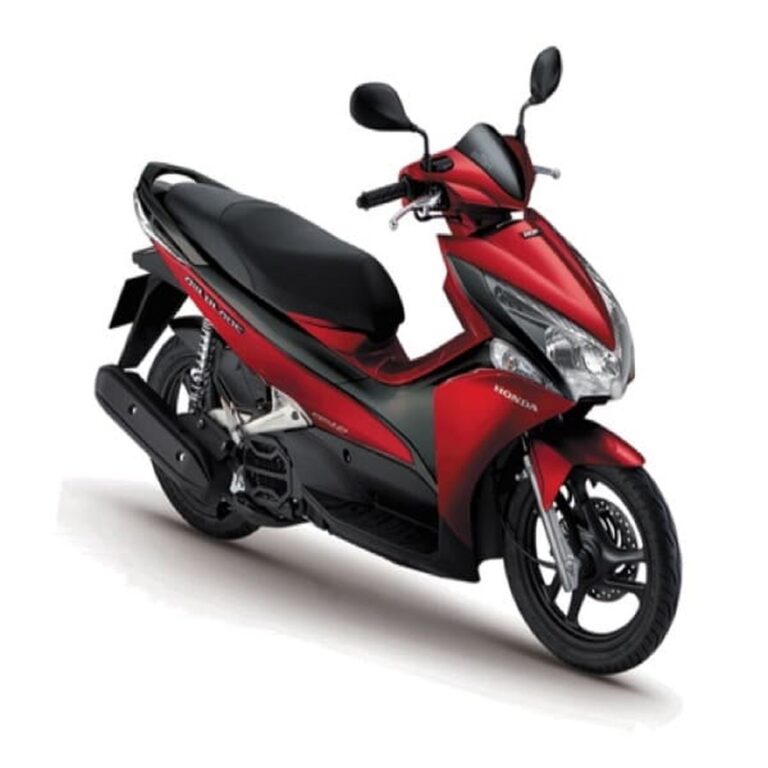
Automatic Scooters
Fuel Injection vs Carburetor Scooters: Starting in Hanoi’s Cold Weather

On this page
On a cold Hanoi morning, a rented scooter may crank for longer than expected, start unevenly, or require a little time before it feels normal. One useful question is whether the scooter uses electronic fuel injection (EFI) or a carburetor. These systems both supply a petrol-air mixture, but they do so in different ways. Knowing the type helps you follow the right owner’s manual and describe symptoms to the rental provider. It does not prove the fuel system is faulty whenever starting is difficult.
If you are choosing an automatic rental, the Hanoi scooter rental page introduces the vehicle category. The precise fuel-delivery type depends on the actual model, year and market variant, so ask the shop for the matching manual rather than relying on a generic scooter label.
How fuel injection supplies petrol
An electronic injection system uses sensors, a control unit and one or more injectors to meter fuel according to engine conditions. The system can adjust the amount delivered during starting, warm-up and normal running within its design. The rider generally follows the manufacturer’s starting procedure rather than manually setting a carburetor choke.
Injection also relies on electrical systems: battery condition, starter circuit, sensors and fuel delivery all need to function correctly. A weak battery may make cranking slow or cause electrical symptoms, but a renter cannot conclude which component has failed merely from a difficult start. A workshop diagnosis is different from a rider’s observation.
Some scooters display a warning or self-check light when switched on. Ask what the normal sequence looks like on the exact model and what to do if a warning remains. Do not interpret every momentary dashboard light as a fault or ignore a persistent warning because the engine eventually starts.
A vehicle advertised as “FI” or “PGM-FI” often refers to fuel injection technology, but names and badges vary across brands. Confirm the actual technical information rather than assuming every scooter with a modern dashboard must be injected.
How a carburetor supplies petrol
A carburetor uses airflow and fuel passages to mix petrol with incoming air. Its mechanical design can include a choke or enrichment system for starting when the engine is cold. On some models this is automatic, and on others it may require a procedure described in the manual.
A carburetor is not automatically unreliable, just as injection is not guaranteed to start perfectly in every situation. Maintenance, fuel quality, battery condition where relevant, storage and model-specific adjustment all affect the experience. A well-maintained carbureted scooter may serve a renter suitably.
Do not move an unfamiliar choke, screw or throttle stop on a rental scooter simply because a video tells you to “make it start faster.” If a specific model requires a rider action, ask staff to demonstrate it and follow its documentation. Unauthorised adjustment can worsen the problem.
The rider should not remove a fuel line, float bowl, injection cover or air-filter housing to identify the system. Such work can cause fuel leakage, fire or damage and belongs to authorised maintenance personnel.
Three ways to identify the actual system
Check the correct owner’s manual
Check the owner’s manual: Match the model name, code, market and year where possible. Look under fuel system, engine specifications and starting procedure. This is generally more reliable than inferring from how the scooter sounds when idling.
Read manufacturer specifications
Check manufacturer descriptions: Technical specifications may state electronic injection, EFI, PGM-FI, fuel injection or carburetor. Be careful with a model family that changed technology across generations; an image from a newer generation may not match the older rental bike.
Ask for a model-specific demonstration
Ask the shop: A direct question is efficient: “Is this specific scooter fuel-injected or carbureted, and could you show me its cold-start procedure?” Record the reply if it affects how you plan to operate the vehicle. Avoid examining hidden engine parts yourself.
The presence of a kick-starter does not by itself prove carburetion; electric starting does not prove injection. Different equipment combinations can exist, so the starter type is not a definitive classification test.
What cold weather changes for starting
Cold air and engine temperature can affect mixture needs, fuel vaporisation and the effort required to start. Injection and carburetor systems may respond differently, but the degree of difference depends on the particular engine and its control setup. Hanoi’s damp winter mornings are not proof of one system’s failure.
If the scooter has been parked overnight, verify that it is safe to start, the stand and brake conditions meet the model instructions, the ignition is on correctly and the required key or fob is functioning. Do not repeatedly twist the throttle as a substitute for learning the procedure.
An injection scooter may adjust fuelling automatically during warm-up. A carbureted scooter may use its own enrichment mechanism. Follow the manual for how long the engine should idle and when to ride. No universal five- or ten-minute warm-up period is necessary for every scooter.
Do not keep a petrol scooter running in an enclosed garage or unventilated space while waiting for it to warm. Exhaust contains dangerous gases. Move or operate it only in a properly ventilated, permitted location following safe procedures.
A safe morning starting checklist
First, confirm the proper key and ignition state. On some modern scooters, a brake lever must be applied, a side stand must be raised or a specific smart-key sequence must be completed. Ask for a demonstration when the vehicle is handed over, and note the instructions for the actual model.
Second, observe the dashboard and how the starter turns. If electrical power appears weak, the starter slows markedly or the lights behave unusually, stop trying repeatedly and report what you see. This is useful information for the provider and does not prove the battery alone is responsible.
Third, follow the manufacturer’s specific starting steps without forcing the throttle or starter. Avoid holding the starter continuously for an extended period; manual-specified limits and pauses matter. If the motor does not start after the permitted attempts, contact the rental provider rather than improvising repairs.
Fourth, if the engine starts but runs roughly, assess the situation safely while parked. A brief cold condition may differ from persistent stalling, strong vibration or unusual smoke. If the bike does not respond normally or seems unsafe, do not ride into traffic to see whether the problem “goes away.”
Fifth, tell the shop exactly what happened: outside temperature or weather, duration parked, starter sound, lights, any dashboard warnings, fuel level, whether the engine fired, and how long rough running continued. A precise description helps more than simply saying “carb problem.”
Cold-start symptoms do not identify a single fault
Starter turning slowly
Slow starter rotation: Possible causes relate to electrical supply, connections or starter load. Without testing, a rider cannot declare the battery failed or order a replacement at the owner’s expense.
Normal cranking but no firing: Fuel delivery, ignition, sensor conditions and other causes may be involved. The fact that the vehicle has injection does not identify an injector fault, and a carburetor does not prove a blocked jet.
Starts then stalls: This may warrant checking the exact model’s warm-up and idle behaviour. If the engine stalls unexpectedly, especially in a way that could affect safe road use, stop and report it. Do not keep turning screws or increasing throttle until it stays running.
Unusual smoke, strong petrol smell or visible leakage: These are reasons to stop, avoid ignition sources and contact the shop. Do not ride away or attempt to tighten unknown fuel connections.
Rough response only under load: Road conditions, transmission behaviour and engine issues could all influence what you feel. Do not claim that fuel injection is the cause without qualified assessment.
Does injection always mean a better rental?
Injection can provide convenient electronic fuelling management, but the choice of a rental scooter also depends on its real condition, controls, rider comfort, weight, maintenance and availability. A safe, well-cared-for carbureted scooter may be preferable to an injected scooter with a current brake or tyre problem.
Do not use fuel system alone to predict consumption. Riding style, tyre pressure, load, road conditions and maintenance influence petrol use. A claim that “every injected scooter saves a fixed percentage” needs model-specific evidence, not a general comparison.
Consider how easy the bike is for you to start, park and control. Ask whether the shop can demonstrate a normal cold start and explain what to do if a warning light appears during your rental. A system that the renter understands is more useful than a specification line they cannot operate.
For the final cost comparison, use the published Hanoi rental price reference and request an actual quote for your dates and model. Neither injection nor a carburetor guarantees a particular rental fee or deposit.
If the scooter has not run for several days
A longer storage period can bring separate concerns, including battery charge, stale or contaminated fuel and tyre pressure. The correct checks vary by duration and vehicle. A renter should not drain the tank, disconnect a battery or add fuel additives without the owner’s permission.
Before starting, look for obvious leaks, loose equipment or damage. Ask the provider about any preparation that was done before handover. If the scooter has been unused and does not start correctly, report the issue rather than continuing attempts that could stress the starter or drain the battery.
Do not assume the carburetor must be “cleaned” because the vehicle was parked for a few days. Conversely, do not assume injection will eliminate all storage-related problems. Both systems are part of a complete machine with fuel, electrical and mechanical components.
A question list for the rental shop
Which exact scooter model and fuel system am I being offered? Can you show the correct starting process with the engine cold, if practical? What do normal dashboard lights look like? What should I report if it cranks but does not start? May I use the kick-starter if the model has one, and does it require a particular method?
If the engine becomes difficult to start in the morning, who should I call and what details should I send? May I take the bike to a mechanic, or does the provider require an approved inspection? What happens if the scooter cannot be used safely? Ask these questions before the issue occurs instead of presuming a roadside rescue policy.
The answers should refer to this specific bike and its rental contract. A helpful blog guide cannot promise that staff will replace a battery, send another vehicle or cover a repair charge in every situation.
Frequently asked questions
Does EFI eliminate the need for a warm-up? Follow the exact manufacturer’s instructions. Electronic fuelling can adjust to temperature, but no blanket idling rule fits every model.
Does every carbureted scooter have a manual choke? No. Designs vary; some use an automatic enrichment system. Ask for the correct model-specific starting procedure.
If the scooter is hard to start, must the carburetor or injector be replaced? No. Starting trouble can have multiple causes. It should be assessed by an authorised, competent person.
Is a slow starter always a weak battery? Not necessarily. The symptom should be reported, not used as a definitive diagnosis without checks.
Contact Motorbike Nguyen Ha about the actual scooter
Motorbike Nguyen Ha operates from Alley 5 Nguyen Van Cu, Bo De, Long Bien, Hanoi, published opening hours 09:00–21:00. Call +84 334 699 969 or contact Zalo/WhatsApp to confirm the current scooter model and ask for its starting instructions. Do not treat this page as a promise of one fuel system, free repairs or availability.