Manual & Semi-Automatic Motorbikes
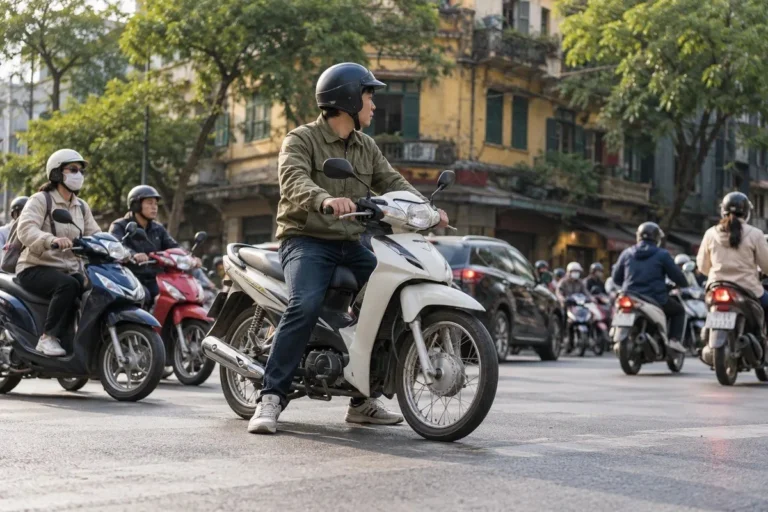
Manual-Clutch Motorbike in Hanoi Rush Hour: What Makes It Tiring?
On this page
A manual-clutch motorbike can be enjoyable when the road is open. In heavy Hanoi traffic, however, riders repeatedly stop, start, select gears and control a clutch lever with the left hand. After a prolonged journey this can become tiring, especially for someone who has little experience with a clutch bike. The effort is not simply about engine size: clutch feel, bike geometry, traffic patterns, heat and the rider’s fitness all contribute.
If your daily journey is mostly slow city traffic, think about how the bike will feel at the end of the commute rather than how exciting it looks in a photograph. A manual motorcycle is not automatically the best rental choice for Hanoi, and Nguyen Ha’s published semi-automatic and scooter categories should not be taken as proof that manual-clutch models are available.
Why stop-start riding changes the experience
When traffic flows steadily, a rider can remain in an appropriate gear for longer. During the evening rush, the gap ahead may change every few seconds. The rider has to watch pedestrians and surrounding vehicles while coordinating the clutch, throttle, brakes and gears. This repeated attention is one reason an unfamiliar manual machine can become stressful.
Fatigue tends to build gradually. A rider may feel perfectly comfortable for ten minutes but notice a tired left hand and tense shoulders after many stops. Conditions are also inconsistent: one stretch of road may be moving freely while the next intersection becomes crowded.
Which parts of the body work harder?
| Area | Possible source of fatigue | What to check |
|---|---|---|
| Left hand and forearm | Repeated clutch engagement and lever pressure | Lever reach and whether the bike is comfortable to control |
| Left foot | Frequent gear changes and repositioning | Pedal location and stable footwear |
| Shoulders and wrists | Tension from a fixed posture and tight grip | Riding position and relaxed reach |
| Legs | Engine heat and prolonged stopping | Safe distance from exhaust and hot components |
| Attention | Continuous traffic scanning and control coordination | Rider experience, journey length and rest opportunities |
These are common possibilities rather than symptoms everyone will experience. A well-maintained, well-fitting motorcycle can be less tiring than a badly adjusted one, but no particular model guarantees freedom from fatigue.
The left-hand problem: constant clutch use
Holding and releasing a clutch lever repeatedly takes muscular effort. If you grip too tightly, ride with locked shoulders or use a lever that is difficult to reach, the work can feel harder. Some motorcycles have different clutch springs or lever geometries, so it is not enough to judge by the appearance of the bike.
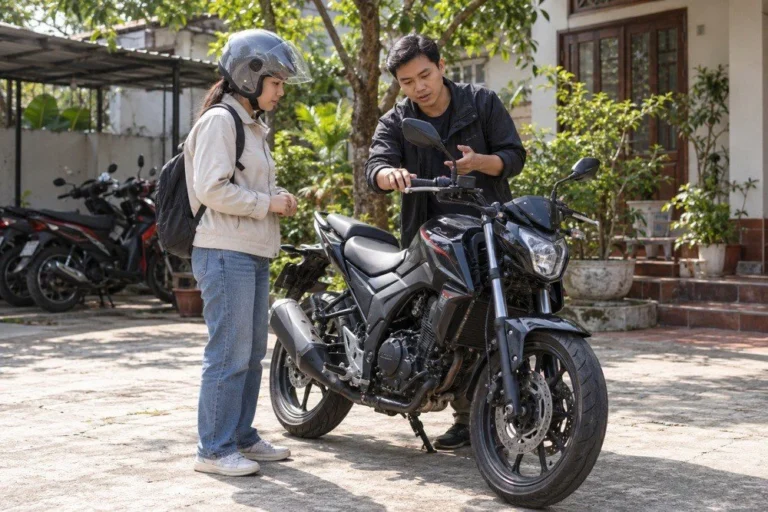
Ask the owner to demonstrate the correct clutch operation and any adjustment permitted by the manual. Never modify a rental clutch lever yourself. If it feels abnormally stiff, sticks or fails to disengage correctly, do not dismiss that as normal traffic fatigue.
What about holding the clutch at every red light?
Follow the model’s operating instructions for stationary situations. Some riders can safely rest the clutch hand at a prolonged stop after selecting neutral and firmly securing the bike, but the correct sequence depends on the motorcycle, slope and surrounding traffic. The important point is to keep full control and not improvise an unfamiliar method in an active lane.
Why prolonged half-clutch riding is not a comfort strategy
Using the clutch’s friction zone is part of controlling certain low-speed situations, but keeping it slipping for long periods creates heat and wear. It is not a substitute for choosing safe spacing and managing speed correctly. If you are continuously struggling to keep a manual bike crawling through traffic, that is a sign to rethink the motorcycle or journey.
On hills, use appropriate braking to keep the motorcycle stationary rather than depending on continuous clutch slip. On a rental, repeated unusual smells or rough engagement should be reported instead of being treated as something you simply need to tolerate.
Why the legs may feel hot
A petrol engine and exhaust system emit heat, which can be more noticeable when airflow is limited by low speed or a long queue. How much warmth reaches the rider depends on engine placement, bodywork, weather and the riding position. Never touch the exhaust or investigate a suspected overheating problem by reaching toward moving parts.
Use protective trousers and closed footwear that allow reliable control of the gear and brake pedals. Loose fabric that can catch on machinery should be secured. Our footwear guide for geared motorbikes explains the practical problems with unstable footwear around a gear pedal.
What about shoulders, neck and concentration?
Traffic stress encourages riders to lean forward, tense their neck or keep a tight grip on the handlebars. That can magnify wrist and shoulder fatigue. Set up mirrors before departing, choose a comfortable posture and keep a safe buffer from vehicles ahead so you have more time to respond.
Do not attempt to check messages or adjust navigation while working the clutch. If you become distracted or exhausted, stop at a safe place and take a break. Fatigue can reduce your ability to respond to a sudden change in traffic.
Is a semi-automatic easier in traffic?
A semi-automatic underbone still requires gear selection with the foot, but it normally lacks the hand-operated clutch lever used on a manual bike. That removes one repeated left-hand action, although the rider still needs to understand the gearbox and braking system. An automatic scooter reduces the number of gear decisions further.
For another angle, read the automatic versus semi-automatic traffic comparison. It focuses on controls during stop-start riding rather than claiming that one bike is universally best.
Journey planning can reduce frustration
Consider travelling before or after the busiest commute window if your schedule allows. A slightly longer but calmer route may be preferable to a short journey through repeated congestion, provided it remains legal and suitable for your skills. Check current route conditions before departure rather than relying on fixed travel-time promises.
Build in places where you can park safely, drink water and rest your hands. For a longer trip, a break may help you notice discomfort early before it affects your riding. A good route is one you can complete with control, not merely the route with the smallest number of kilometres.
When should you stop instead of pushing on?
Stop safely if your hand becomes too tired to operate the controls consistently, you experience persistent numbness, the clutch begins to feel abnormal, or the bike produces an unusual smell or noise. These signs should not be “tested” further in traffic. Explain what you observed to the rental owner or a qualified technician.
If you have lost confidence in the machine, an alternate form of transport may be the better decision for that journey. A helmet and protective clothing are important, but they do not make unsafe control or severe fatigue acceptable.
What if your rental company lists no manual-clutch bikes?
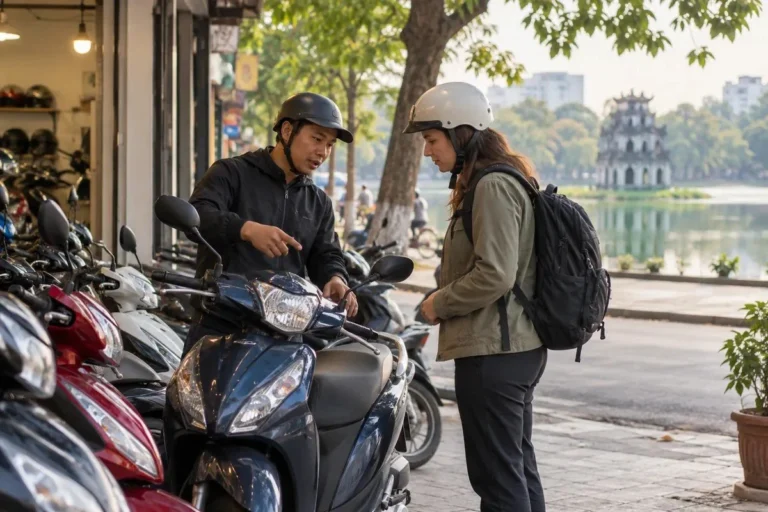
An educational article about manual-clutch riding does not indicate that the shop rents this type of motorcycle. The current category pages should be checked separately: semi-automatic rental options refer to a different gearbox. Confirm the model, controls, deposit and price directly instead of inferring stock from general riding information.
Before accepting a bike, be sure your licence and practical skills are appropriate for the exact vehicle. A rider who has experience only on automatic scooters should not practise a manual clutch for the first time in rush-hour traffic.
Five questions that make the decision easier
- Will most journeys happen during congested commuting hours?
- Can I comfortably reach and operate the controls on the exact motorcycle?
- Do I already have the training and legal permission appropriate for that type of bike?
- Can I take safe breaks and choose a less congested route?
- Would a semi-automatic or automatic scooter be more practical for my routine?
For information about vehicles actually offered by Nguyen Ha in Hanoi, contact 0334 699 969. Ask about the current fleet rather than assuming a manual-clutch bike is available.